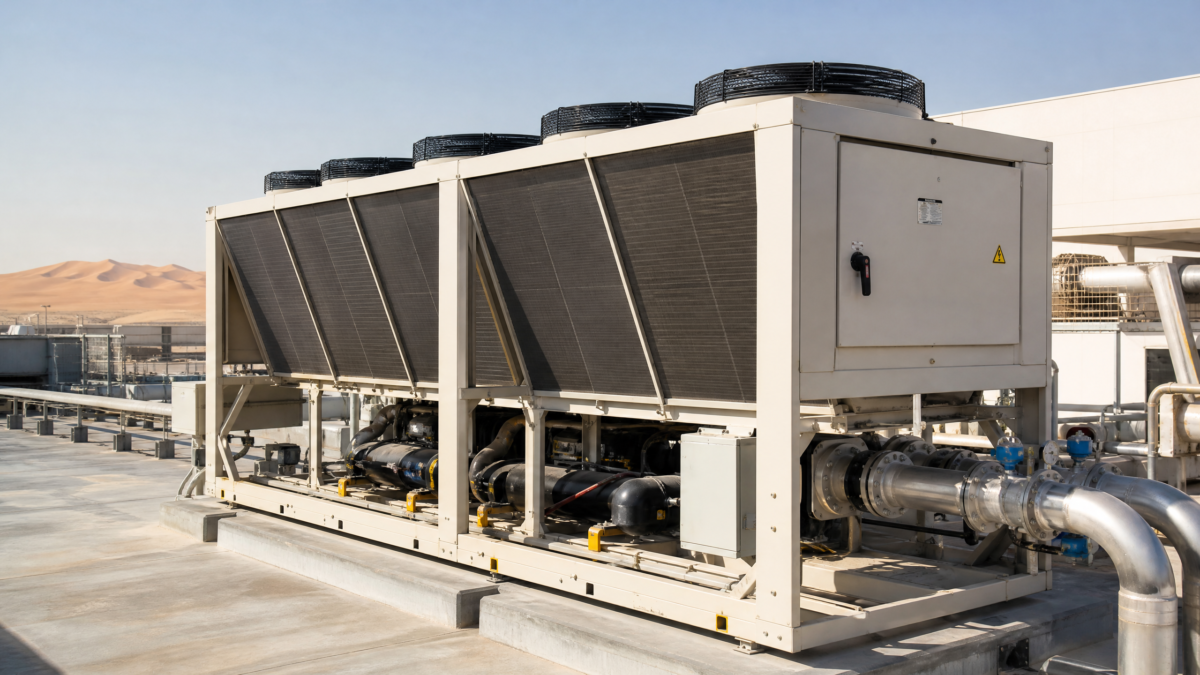
Chiller AC Repair in Ajman
Context and importance of chiller repairs in Ajman
Chiller systems are a lifeline in Ajman’s hot climate, delivering reliable cooling for commercial and industrial spaces. When chillers falter, comfort drops, equipment strains, and energy bills rise rapidly. Timely repairs protect assets, extend equipment life, and maintain indoor air quality for occupants.
In Ajman, the demand for swift, dependable AC support is high. A local, responsive service partner who understands regional conditions can minimize downtime and keep buildings compliant with cooling standards. Proactive maintenance also reduces peak load during heatwaves, helping facilities avoid emergency outages.
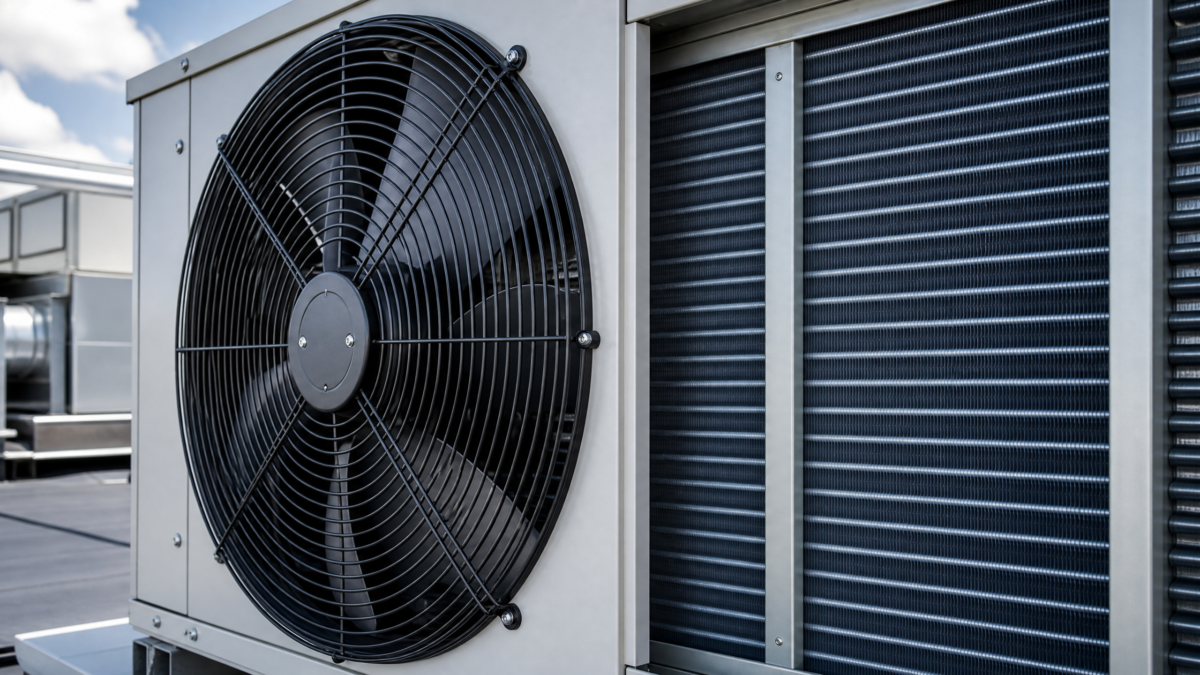
What this article covers
This article focuses on chiller repair and maintenance in Ajman, with practical guidance to:
- Identify common chiller problems and quick diagnostics
- Know when to call a professional chiller technician
- Follow do’s and don’ts for hot climate maintenance
- Explore essential repair and replacement services available in Ajman
- Assess how to choose the right provider for your facility
- Understand cost considerations and potential savings from preventive care
Common chiller problems you can spot fast
Leaking refrigerant, unusual noises, and reduced cooling capacity are red flags that demand quick attention. For example, a grocery store in Ajman reported rising coil temperatures during peak hours, signaling refrigerant loss and compressor strain. Immediate checks of sight glass pressure, condenser airflow, and oil levels helped isolate the issue before a full breakdown.
Regular differential pressure checks across filters and chilled water valves can reveal flow restrictions. In an industrial complex, a 5 percent drop in supply water temperature over two weeks indicated a dirty evaporator coil, which was resolved with a scheduled cleaning during off-peak hours.
When to escalate to a professional
Call a certified chiller technician if you notice persistent high head pressure, frequent tripping on overload, refrigerant warning codes, or leaking joints. A pro can perform refrigerant recovery, refrigerant charge optimization, seal inspections, and electrical safety tests with calibrated tools. In Ajman, licensed technicians provide on-site PMS records and compliance checks for local standards.
Maintenance do’s and don’ts for hot climates
Do schedule pre-season start-ups before the hottest months and verify condenser fans for clean, uninterrupted airflow. Do use non-corrosive cleaners on heat exchangers and rinse thoroughly to prevent residue buildup. Don’t ignore vibration or motor noise, as that can indicate bearing wear or misalignment. Don’t run the system with low refrigerant or dirty coils, which wastes energy and shortens life.
Key repair and replacement services in Ajman
Typical services include condenser cleaning, evaporator coil restoration, compressor refurbishment, and refrigerant recharge. In addition, some providers offer retrofits to high-efficiency variable-speed drives and smart sensors for remote monitoring. A mid-size shopping center might replace a failing screw compressor and install an energy management panel to cut electricity use by 12, 20 percent after optimization.
Choosing the right chiller repair provider
Look for ISO-aligned certifications, transparent pricing, and service level agreements with 24/7 response windows. Request case studies from similar facilities in the UAE, and verify parts availability for quick replacements. Ask about maintenance plans that bundle preventive checks, filter replacements, and refrigerant audits for predictable costs.
Cost considerations and savings from preventive care
Initial repair costs can range widely based on capacity and refrigerant type, but preventive maintenance typically lowers total annual spending by reducing unplanned outages. For example, a hotel cluster in Ajman cut downtime by 40 percent after switching to a quarterly service plan with heat-exchanger cleaning and oil analysis. Track metrics: accumulated downtime hours, energy intensity (kWh per ton of cooling), and mean time to repair to gauge ROI.
Summary
Effective chiller care in Ajman blends rapid diagnostics, professional intervention, and proactive maintenance. By identifying problems early, knowing when to call in experts, and committing to preventive regimes, facilities maintain comfort, protect equipment, and control energy costs.
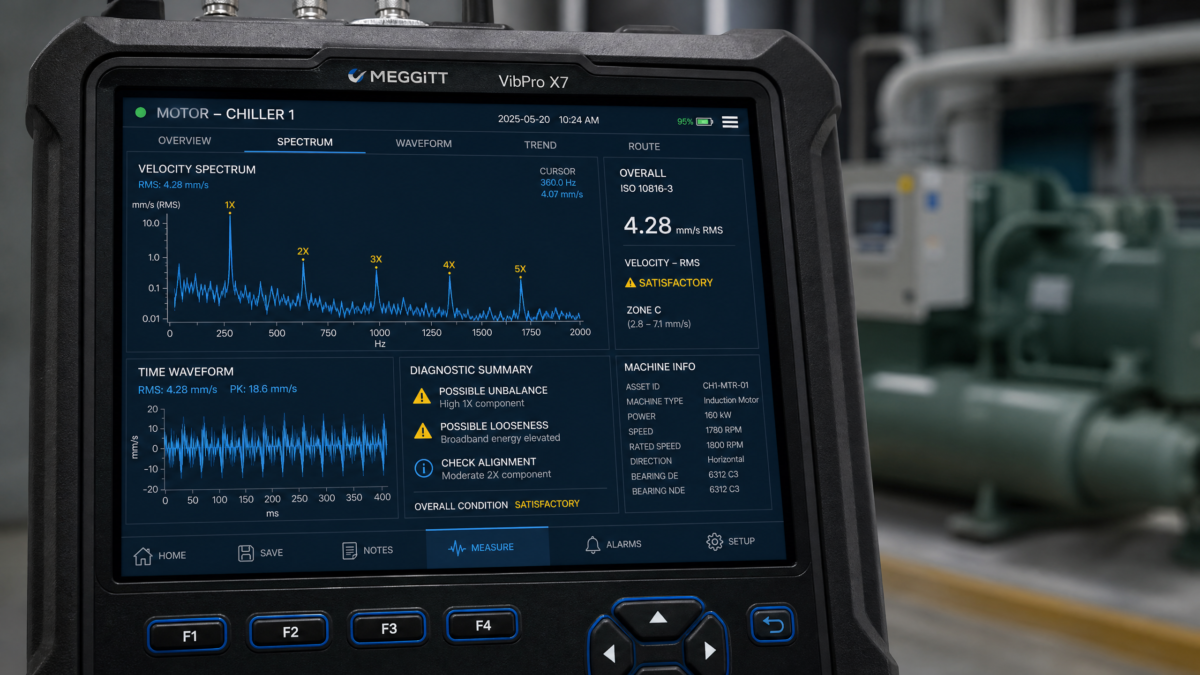
1. Common Chiller Problems in Ajman and Quick Diagnostics
Insufficient cooling and reduced efficiency
When a chiller struggles to reach setpoints, cooling performance drops and spaces feel warmer. Common culprits include dirty coils, clogged filters, or degraded refrigerant flow. Regular checks help identify whether airflow or refrigerant balance is the bottleneck.
- Check airflow across coils and verify fan operation.
- Inspect filter cleanliness and replace as needed.
- Review refrigerant pressures and compare with manufacturer specs.
Strange noises, vibrations, and leaks
Unusual sounds and movement can signal mechanical wear or hydraulic issues. Frequent rattling, humming, or thumps may indicate loose components, worn bearings, or misaligned belts. Leaks point to gasket or line-seal failures needing sealing or part replacement.
- Listen for grinding or metallic-on-metal sounds during operation.
- Inspect for visible refrigerant or water leaks around connections.
- Check vibration isolators and mounting hardware for secure fit.
Increasing energy consumption and temperature fluctuations
Rising energy use paired with unstable temperatures often signals creeping inefficiencies. Causes include improper refrigerant charge, degraded compressor performance, or faulty controls that misread load demands.
- Review energy bills for unusual spikes correlated with uptime.
- Monitor temperature swing across supply and return lines.
- Test control algorithms and sensor accuracy to rule out drift.
Electrical faults and thermostat issues
Electrical faults can halt cooling cycles or cause erratic operation. Problems may involve contactor wear, capacitor failure, or faulty thermostats that misinterpret ambient conditions. Safe diagnosis should start with electrical panel inspection and continuity checks.
- Inspect contactors, fuses, and overload protections for discoloration or pitting.
- Test thermostat readings against actual temperature to verify accuracy.
- Assess wiring integrity and insulation to prevent short circuits.
2. When to Call a Professional Chiller Technician
Unsafe symptoms requiring expert intervention
If you see exposed wiring, a burning smell, or sparking from electrical components, stop operation and call a licensed pro. Electrical hazards can escalate quickly and require specialized testing and safety protocols.
- Warm or tinged refrigerant odors near service ports may indicate a leak and potential electrical heat exposure that needs prompt inspection.
- Persistent overheating of electrical panels or breakers signals a failing contactor or overloaded circuits that could ignite if ignored.
- Visible arcing or scorch marks on control boards point to insulation breakdown and must be addressed by a professional to prevent further damage.
Signs that DIY attempts could cause further damage
Trying repairs without proper tools or training can worsen issues and void warranties. A technician provides accurate diagnostics and proper refrigerant handling.
- Breaker trips repeatedly after a simple check hint at a deeper short or overload not solved by a reset.
- Unchecked refrigerant leaks without approved recovery equipment risk environmental harm and system performance loss.
- Tampering with wiring or sensors without schematics can misalign safety interlocks and sensor thresholds, leading to unpredictable behavior.
Emergency repair indicators
Some scenarios require immediate action to protect people and property. Recognizing these triggers helps minimize downtime and risk.
- Chiller failure during peak occupancy or extreme heat can cause rapid temperature drops or system shutdown, demanding urgent service.
- Sudden loss of cooling across multiple zones with signs of compressor or condenser stress suggests a mechanical fault or refrigerant imbalance needing swift attention.
- Water intrusion near electrical components or high humidity with unusual readings raises shock and corrosion risks and calls for protective shutdowns by a pro.
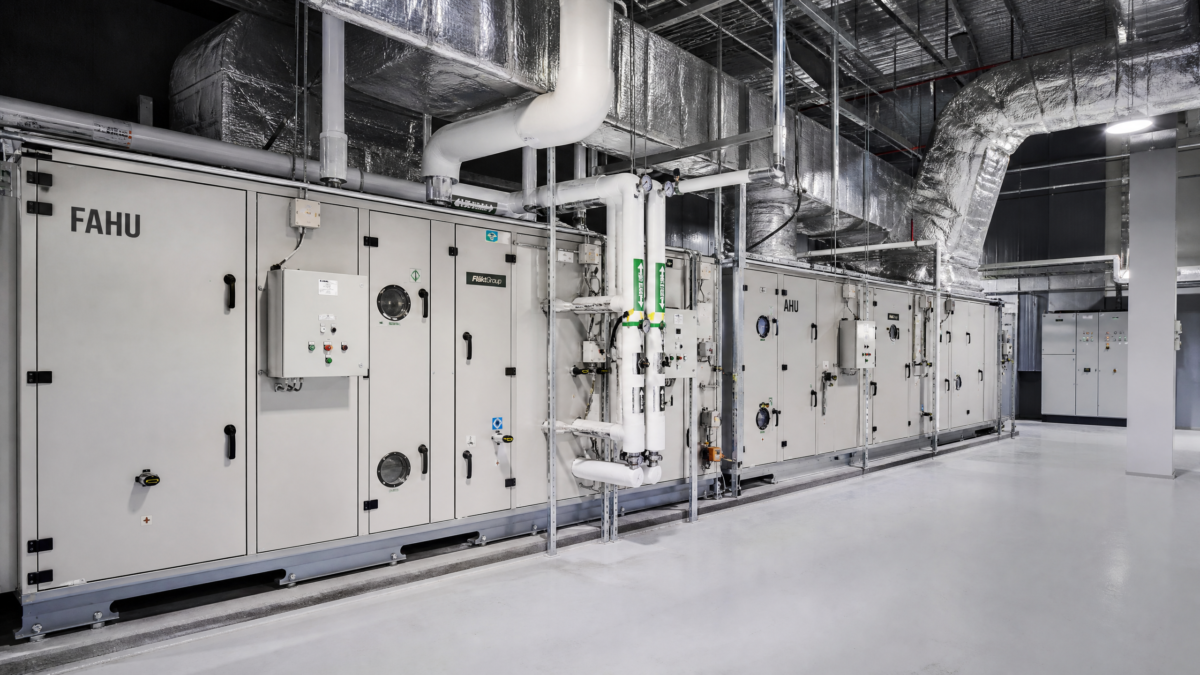
3. Do’s and Don’ts for Chiller Maintenance in Hot Climates
Regular filter and coil cleaning
Clean filters and coils to maintain steady airflow and efficient heat exchange in extreme heat. Dirty components increase energy use and slow cooling. Routine maintenance reduces strain on the compressor.
- Inspect filters monthly and replace when dirty or clogged. In busy spaces, check high-traffic areas weekly during heatwaves and rotate spare filters to minimize downtime.
- Wipe down condenser and evaporator coils to remove dust buildup. Use a soft brush and a coil cleaner that leaves no residue to sustain heat transfer efficiency.
- Schedule quarterly cleanings during peak cooling season. Pair coil cleanings with performance checks to catch refrigerant or sensor issues early.
Refrigerant handling and gas levels
Correct refrigerant charge is essential for reliability and efficiency. Incorrect levels can compromise cooling and damage components. Only qualified technicians should manage gas handling.
- Check for visible leaks and repair promptly to prevent charge loss. Use electronic leak detectors and dye tests on joints and seals.
- Use manufacturer-recommended pressures when charging or topping up. Record ambient temperature and load conditions to match target superheat and subcooling values.
- Document refrigerant type and quantity for future service records. Include batch numbers and any retrofit changes to aid troubleshooting later.
System startup/shutdown routines
Controlled start and stop sequences protect components and extend life in hot climates. Abrupt starts can surge electrical loads and stress fans.
- Run a brief pre-start check for airflow, pressures, and electrical connections. Verify damper positions and thermostat signals before enabling cooling.
- Avoid rapid cycling by ensuring proper cooldown between shutdowns. If outdoor temperatures spike, stagger compressor rest periods to reduce wear.
- Schedule startup after long idle periods to verify sensors and controls respond correctly. Perform a 5, 10 minute test run and listen for abnormal noises or vibrations.
Additional best practices for hot climates
Hot climates stress systems differently. Proactive planning and real-time monitoring prevent outages and extend equipment life.
- Monitor inline temperatures with spot checks at supply and return ducts to catch coil frost or airflow restrictions early.
- Set adaptive cycling logic to reduce simultaneous startup of multiple compressors during peak heat hours.
- Keep outdoor units shaded and clear of debris to improve heat rejection and reduce fan workload by 5, 15% in midsummer tests.
4. Essential Repair and Replacement Services in Ajman
Chiller compressor repair and replacement
When the heart of a chiller shows wear, compressor failures can stop cooling in its tracks. Timely repair or replacement preserves system performance and prevents cascading damage to other components. For example, a facility that replaced a failing scroll compressor saved energy use after commissioning the updated unit.
- Diagnostics identify worn bearings, valve damage, or seized rotors that reduce compression efficiency. Technicians may perform a thermodynamic test and a refrigerant subcooling check to confirm the root cause.
- Replacements use compatible models and refrigerants to maintain optimal pressure and flow. Always verify the factory charge and oil type to prevent premature wear.
- Warranty options can cover both repair work and new compressor units for reliability. Confirm coverage terms for startup, vibration testing, and first-year performance metrics.
Coolant/ refrigerant recharge and leak sealing
Maintaining the correct refrigerant charge ensures steady temperatures and energy efficiency. Leaks erode performance quickly, making prompt recharging and sealing essential. In sensitive facilities, small leaks can boost annual energy use if not addressed promptly.
- Leak detection uses tracer gas and electronic correlators to locate hard-to-find breaches. Infrared cameras paired with handheld sniffer devices can pinpoint pinhole leaks in coiled sections.
- Recharge aligns with manufacturer specifications to avoid overcharging or undercharging. Technicians should record pre/post charge weights and refrigerant type for traceability.
- Sealants and repair patches address small fissures without full system replacement when feasible. Consider epoxy patches on accessible joints or sleeve repairs on flexible hoses.
Fan motor and condenser/evaporator servicing
Fans and heat exchangers drive the heat transfer process. Worn motors or dirty condensers reduce airflow and cause temperature swings. Regular service prevents a single failing component from triggering a broader shutdown.
- Motor rewinds or replacements restore reliable fan operation and reduce electrical load. Measure current draw before and after to verify improvements.
- Condenser and evaporator coil cleaning removes buildup that blocks heat transfer. Schedule quarterly cleanings in dusty environments or after high pollen seasons.
- Fan blade inspection ensures balanced rotation and minimizes vibration-related wear. Replace bent blades and secure fasteners to reduce wobble under load.
Control panel and sensor calibration
Accurate controls and sensing prevent overcooling, short cycling, or erratic operation. Calibration aligns readings with actual conditions for stable performance. In practice, validate sensors against a calibrated thermometer and cross-check with a secondary pressure gauge during service windows.
- Sensor recalibration corrects temperature, pressure, and flow readings. Document setpoints for automatic routines and fault thresholds.
- Control boards and relays are tested for reliability and safe startup behavior. Perform a dry-run with fans off to confirm safe startup sequences and interlocks.
- Software updates may be applied to optimize energy use and fault reporting. Ensure firmware versions are backed up and rollback procedures are ready if needed.

5. Choosing the Right Chiller AC Repair Provider in Ajman
Certification, experience, and emergency availability
Select a provider with verifiable credentials and hands-on experience across similar chillers. Certifications signal adherence to safety and refrigerant handling standards, while real-world experience demonstrates problem-solving capability. Ensure 24/7 emergency access to minimize downtime during peak heat.
- Verify licenses and manufacturer authorizations for your specific model.
- Ask about the technician’s experience with chillers like yours in Ajman.
- Confirm guaranteed 24×7 readiness and defined response windows.
Transparency in pricing and warranty options
Clear, upfront pricing helps you compare value and protect against unexpected costs. Robust warranty terms on parts and labor cover repeat issues and provide peace of mind after service.
- Request a written estimate detailing scope, parts, and any travel charges.
- Check warranty coverage on replaced components and the repair work itself.
- Clarify whether ongoing maintenance visits are included or billed separately.
Response time and service coverage
Fast response is critical in hot climates to keep downtime minimal. Look for providers that can reach all Ajman districts quickly and offer consistent support across the area.
- Ask about typical arrival times and any priority status for critical systems.
- Inquire about travel zones and potential outlying-area charges.
- Confirm the provider offers both preventive maintenance and on-demand repairs under one roof.
| Provider Criterion | What to Look For | Questions to Ask |
|---|---|---|
| Certifications | Manufacturer authorizations, industry trainings | Can you share certificates and training records? |
| Experience | Number of years, types of chillers serviced | What brands and models have you handled recently? |
| Emergency Availability | 24×7 readiness, response times | What is your fastest guaranteed response window? |
| Pricing Transparency | Written estimates, clear labor/parts breakdown | Do you provide a hardcopy quotation before work? |
| Warranty | Parts and labor coverage period | What does the warranty cover and for how long? |
| Service Coverage | Geographic reach within Ajman | Are there service guarantees across all districts? |
6. Cost Considerations for Chiller Repairs
Typical repair vs. replacement costs
Repair costs vary by component and labor time. In Ajman, minor fixes stay affordable, while major failures drive broader scope. Replacing a key component can be more cost effective than a string of small repairs over time.
Plan with clear expectations:
- Small part replacements often have lower upfront costs but may require future visits.
- Full system repairs can cut ongoing energy waste and improve reliability.
- Major module replacements may cost more initially but extend service life.
a blower motor replacement in a mid sized chiller might run AED 800, 1500 for parts and labor, while a compressor issue could push total toward AED 4000, 6000. A full module swap or reconditioned unit can be a smarter long-term choice if energy efficiency improves by 10, 20%.
Factors influencing price (brand, capacity, parts availability)
Prices reflect the model, cooling capacity, and local parts availability. Reputable brands with stocked parts tend to offer more predictable quotes.
- Brand and model complexity can alter diagnostic and repair time.
- System capacity affects required replacements and refrigerant handling needs.
- Parts availability drives lead times and price variability.
- Labor intensity, including disassembly and calibration, adds to the total cost.
Note: high efficiency inverter driven compressors may cost 20, 40% more upfront but can reduce energy use by 15, 25% annually, potentially offsetting the difference within a few years depending on run hours.
Money-saving maintenance plans
Preventive strategies trim long-term expenses and limit emergency calls. Look for plans that cover routine checks and prioritized service.
- Regular cleaning and filter changes sustain coil performance and airflow.
- Scheduled refrigerant checks keep gas levels within safe ranges.
- Seasonal startup and shutdown routines minimize wear during peak heat.
Actionable steps: set reminders for quarterly filter changes, log refrigerant pressures at visits, and negotiate maintenance windows that prioritize same-day service for critical faults during high-demand months.
6. FAQ
What are the most common chiller issues in Ajman?
Reduced cooling capability occurs when dirt or mineral buildup blocks heat transfer or condenser fans run intermittently. For example, a hotel lobby or office tower may notice longer fan run times during peak heat, followed by warmer air. Refrigerant leaks reduce pressure and efficiency, often from joints or corroded lines in outdoor units; a slowly dripping unit near a plant room is a telltale sign. Coil fouling from dust, salt, and humidity lowers heat transfer and raises compressor current. A busy shopping mall chiller room may show higher discharge temperatures and more frequent cycling. Sensor misreads or control panel glitches can trigger unnecessary restarts or lockouts, especially after power spikes during storms. Wear on fans and motors causes uneven cooling across zones, creating temperature discrepancies between floors.
Real-world scenario: A high-rise building in Ajman experienced steady temperature drift across floors during a hot afternoon. Technicians found a dirty evaporator coil and a partially clogged condenser fan inlet. After a coil cleaning and replacing a failing fan motor, the system returned to design performance within one business day.
How long does a typical chiller repair take?
Repair durations depend on the fault type and access to spare parts. A minor electrical fix or sensor recalibration can be completed in a few hours, often in the same visit. More complex refrigerant repairs require leak detection, recovery, recharging, and pressure testing, which can span a full day or two if multiple circuits are involved. Component replacements such as compressors or condenser coils may require on-site fabrication or manufacturer-specific parts, extending downtime. Scheduling also hinges on the availability of technicians, permits, and post-repair factory checks.
Practical steps: request a two-tier plan when you call for service , a quick diagnostic visit with interim cooling if possible, plus a detailed repair window with part lead times. Ask for a written escalation path if leaks are found, including mandatory leak testing after recharges.
Can a faulty chiller cause higher energy bills?
Yes, inefficiencies force the system to work harder. In Ajman’s climate, a 5 to 15 percent efficiency drop can translate into noticeably higher bills over a cooling season. Common culprits include leaks that drop refrigerant charge, dirty coils that restrict heat exchange, and degraded refrigerants that reduce cooling capacity. Loose belt drive or fan motor faults increase mechanical resistance, raising power draw. A timely diagnostic helps restore efficiency and lowers operating costs, while prolonged issues compound wear and shorten component life.
Data point: Facilities that complete annual energy audits and address identified inefficiencies typically see an 8, 12% reduction in annual chiller energy use. Maintenance-driven optimization can cut peak load charges by reducing simultaneous circuit operation.
What maintenance schedule is recommended for chillers?
Institute a seasonal maintenance plan that includes coil cleaning, filter checks, and refrigerant level verification. Spring checks can target pre-summer load, while autumn checks prepare for shoulder seasons. Regular control calibration and sensor testing help prevent drift in readings and avoid unexpected startups. Schedule oil levels and lubrication for moving parts, along with belt tension checks. Proactive checks reduce unplanned outages and extend equipment life.
Edge case: In coastal Ajman installations, add extra corrosion protection and more frequent condenser coil brushing due to salt exposure. Ensure humidity sensors are calibrated after storms to prevent false high-load signals.
Implementation steps: create a 12-month calendar with quarterly coil cleaning, semi-annual refrigerant verification, and annual full system performance tests. Maintain a spare parts kit with common seals, gaskets, and fuses to minimize downtime.
Summary: Regular diagnostics, timely repairs, and a disciplined maintenance routine protect chillers from common faults, reduce energy waste, and extend service life.
1. Conclusion
Key takeaways on keeping a chiller running reliably in Ajman
Regular maintenance and timely diagnostics are essential for steady cooling in Ajman’s hot climate. Understanding common symptoms helps you catch issues early and reduce downtime. Prioritize reputable local service providers with 24×7 emergency options to handle urgent repairs.
Proper upkeep extends equipment life and protects your energy budget. A well-tuned system runs more efficiently, delivering consistent comfort while minimizing costly surges. Always verify proper refrigerant handling and coil cleanliness as part of ongoing care.
Choosing the right technician matters as much as the repair itself. Look for transparent pricing, certified technicians, and clear warranty terms to ensure long-term reliability for Ajman AC systems.
Steps to schedule professional service
- Identify a trusted local provider with Ajman-focused coverage and emergency availability.
- Request a written assessment and itemized quote before any work begins.
- Provide details on symptoms, recent changes, and system type (central or split).
- Schedule a convenient service window and confirm arrival ETA.
- Follow up after service to confirm test results and performance improvements.
Concrete examples you can apply this season
For a multi-zone central system, document each zone’s temperature variance over a week and share it with the technician. This helps isolate issues like unequal airflow or stubborn refrigerant leaks that aren’t evident from a single reading.
If your chiller exhibits short cycling at peak heat, record outdoor temperatures and indoor setpoints. Provide these alongside log snippets from the control board when you book service to accelerate diagnosis and reduce diagnostic hours.
In a split system, map the outdoor condenser location and note any debris buildup after dust storms. Ask the technician to perform a coil cleaning and verify condenser fan operation, which often restores efficiency without replacing hardware.
Practical steps to maintain reliability between visits
- Establish a monthly check routine: listen for unusual noises, feel for warm air, and inspect for water leaks near the indoor unit.
- Replace or clean air filters every 4 to 6 weeks during extreme heat months to maintain airflow and coil efficiency.
- Keep condensate drains clear to prevent overflow that triggers safety shutoffs and downtime.
- Schedule seasonal tune-ups before the hottest period, typically in spring, to align refrigerant pressures and capacitors with ambient conditions.
- Maintain a temperature log and energy bills to spot gradual efficiency declines early.
Common pitfalls to avoid in Ajman
Avoid delaying service after a noticeable drop in cooling effectiveness; small problems can escalate quickly in high humidity. Don’t accept vague warranty terms that exclude refrigerant handling or coil cleaning. Ensure technicians provide before-and-after test data, not just a verbal assurance of improvement.
Be wary of extremely low bid quotes that omit essentials like leak testing or refrigerant recovery. Finally, never ignore unusual frost on the evaporator coil, which signals airflow restrictions or refrigerant imbalance needing prompt attention.
Summary
Regular, documented maintenance tailored to Ajman’s climate keeps chillers reliable and efficient. Use qualified local technicians, request clear quotes, and maintain a proactive care routine with practical checks and timely tune-ups.
References
Chiller AC Repair in Ajman
- chiller ac repair in sharjah