Chiller AC Repair in Sharjah
Overview of chiller systems in Sharjah
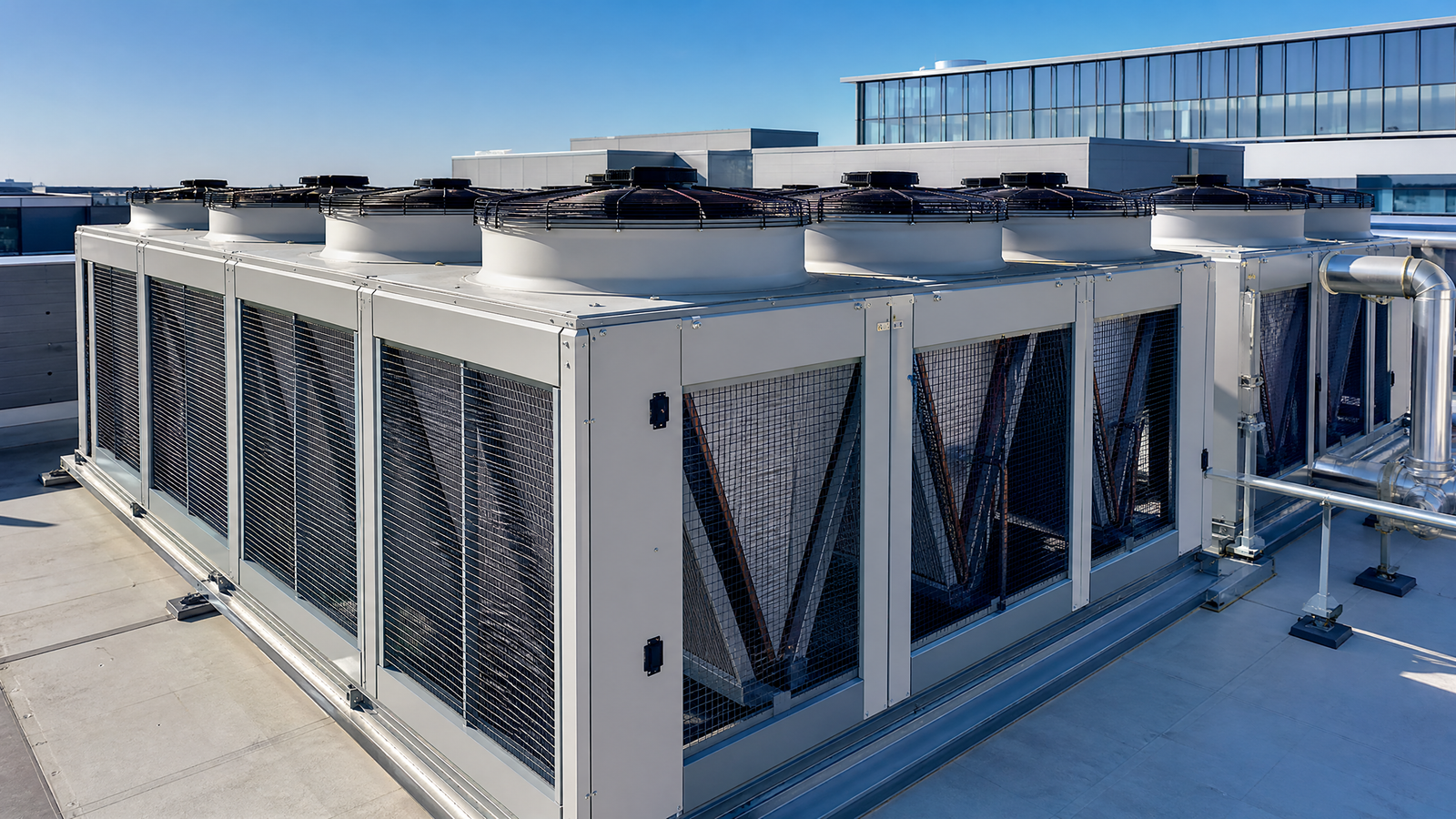
Chiller systems power cooling for many buildings across Sharjah, UAE, by removing heat from indoor spaces and delivering chilled water or air through central plants or packaged units. Typical configurations include air-cooled and water-cooled chillers, with applications spanning commercial HVAC systems and larger residential setups.
In Sharjah’s climate, efficiency matters. Properly sized chillers minimize energy use while maintaining stable temperatures in offices, malls, hotels, and homes across neighborhoods such as Al Nahda, Al Khan, Al Majaz, and Al Qasimia. Routine maintenance helps keep these systems dependable during extreme heat.
Real-world scenario: A mall in Al Zahia relies on a dual-chiller plant with a redundant water-cooled loop to handle peak loads during summer sales events. By prioritizing energy-conscious selections and reliable monitoring, the facility maintains comfort while avoiding spikes in peak demand charges.
Why timely repair matters for businesses and homes
Timely chiller repairs prevent unexpected downtime that disrupts operations and comfort. A quick diagnostic and fix minimizes production losses, guest dissatisfaction, and costly temperature swings.
- Businesses benefit from steady cooling for data rooms, patient areas, and customer environments.
- Homes gain reliable comfort during heat waves and humid periods.
- Preventing minor faults from becoming major failures saves energy and extends equipment life.
Practical steps: Establish a quarterly monitoring routine that checks refrigerant pressures, oil levels, and belt wear. Maintain a service log with dates, parts replaced, and observed anomalies to guide future maintenance.
Data point: Facilities that emphasize preventive maintenance with certified technicians report fewer unplanned outages and modest reductions in annual energy usage thanks to better pump and condenser operation.
Real-world caveat: High ambient humidity can mask refrigerant leaks and corrode components. Pair inspections with humidity control checks and corrosion prevention measures in outdoor console areas.
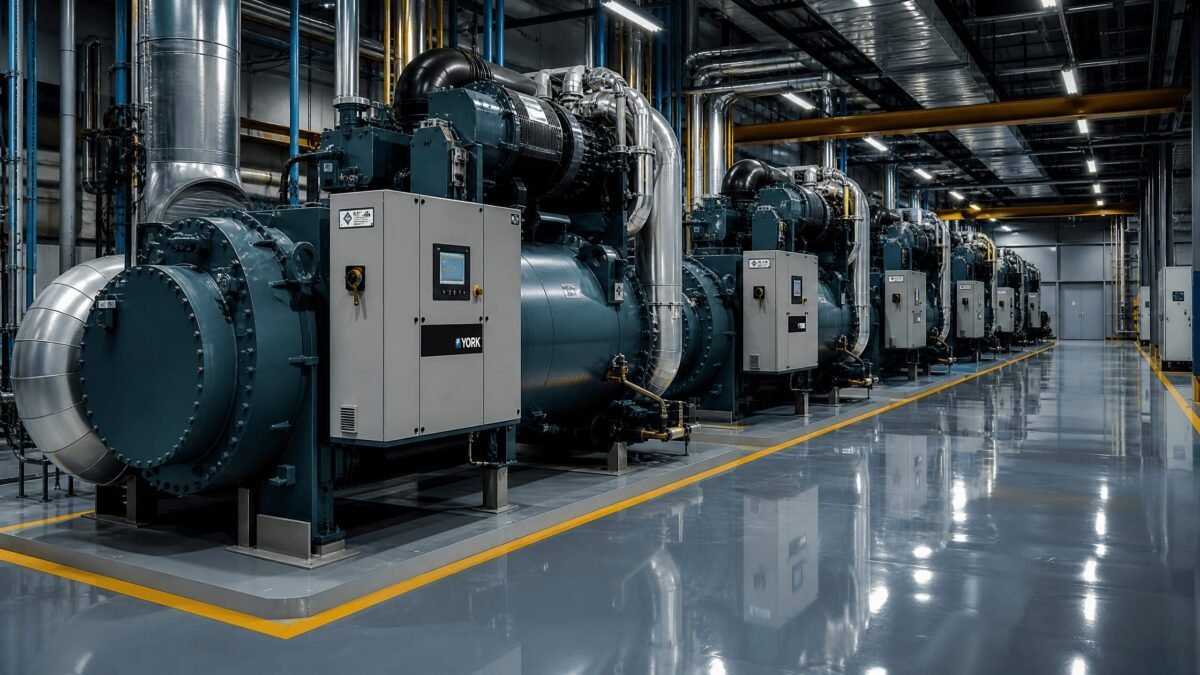
Choosing a skilled local service in Sharjah ensures rapid response, accurate diagnosis, and support with genuine parts. This is essential when dealing with brands common in the region, such as Carrier, Trane, York, and Daikin, and when coordinating maintenance across commercial facilities or multi-unit residential buildings.
Edge case: For heritage buildings with limited mechanical spaces, retrofits require compact, high-efficiency units and noise-reduction strategies. In such cases, plan staggered replacements and use vibration isolation to meet cooling needs and local ordinances.
Emergency Chiller Repair Services
24/7 availability and rapid response times
Emergency teams in Sharjah operate around the clock to minimize downtime. Response times are prioritized by severity to protect critical sites such as data centers, hospitals, and large commercial facilities during extreme heat.
For businesses, predictable emergency windows reduce operational risk and guest disruption. For homes, faster relief means fewer hours of uncomfortable indoor conditions when heat spikes occur. The aim is quick restoration while coordinating access and safety with on-site staff.
Concrete example: A data center facing rising rack temperatures triggers an emergency dispatch within 30 minutes, with a technician onsite in under 45 minutes to restore a chilled aisle and prevent server throttling. Practical tip: designate a single liaison at each site to streamline access and initial assessment.
Data point: Peak-season logs in Sharjah show average emergency response times under 60 minutes for critical loads. Edge case: If power is unstable, responders may coordinate with the facility team to isolate nonessential loads and protect equipment during repairs.
On-site diagnostics and immediate fixes
On-site assessments start with a rapid condition check to identify the root cause, including electrical verification, refrigerant checks, and functional testing of pumps and fans. Immediate fixes are prioritized when safe and feasible to reduce downtime.
Technicians bring a diagnostic toolkit and a stock of commonly needed parts to enable same-day resolutions. If a component requires ordering, customers receive a transparent turnaround plan and interim cooling measures to maintain comfort.
Example workflow: 1) initial temperature and voltage readings, 2) refrigerant leak sniffing and pressure checks, 3) fan capacitor test, 4) bypasses or staging changes to restore partial cooling, 5) provide estimate and schedule for replacement parts.
Practical steps: , Pre-stage spare contactors and capacitors for air handlers, , Use portable condensers or temporary ventilation to reduce room temperature during repairs, , Set a 2-hour SLA for diagnostics follow-up with clients who approve interim cooling measures.
Expert perspective: Field engineers note that electrical faults and refrigerant issues account for a large share of outages in commercial settings, underscoring the value of rapid electrical checks and refrigerant verification. Important caveat: If a refrigerant leak is detected, evacuate the area and follow safety protocols before recharging to avoid safety hazards and efficiency losses.
Routine Chiller Maintenance Practices
Preventive maintenance checklists for chillers
Regular checklists help keep chillers operating at peak efficiency. A structured routine targets core components, electrical safety, and performance metrics. Focus areas include refrigerant levels, compressor health, and condenser cleanliness. This disciplined approach reduces unscheduled downtime and extends equipment life.
- Verify refrigerant charge and pressures against manufacturer specifications.
- Inspect electrical connections and contactor integrity to prevent short cycles.
- Monitor inlet and outlet temperatures to confirm proper load handling.
- Assess belt wear, fan operation, and motor temperatures for balanced cooling.
Document findings after each visit to build a traceable history that informs future interventions. A clear log supports budgeting and ensures consistent maintenance intervals across multiple sites in Sharjah.
Importance of water treatment and corrosion prevention
Water quality inside cooling systems directly affects heat transfer and component longevity. Poor water treatment can lead to mineral buildup, corrosion, and reduced efficiency. Proactive treatment helps protect heat exchangers and extend service life.
- Implement continuous cycle chemistry monitoring to control pH, conductivity, and inhibitor levels.
- Schedule periodic descaling in mineral-rich water conditions to preserve heat transfer efficiency.
- Use corrosion inhibitors and compatible antifreeze where applicable to prevent metal degradation.
- Inspect water tanks and piping for signs of scale and leaks, addressing issues before they escalate.
Combining water treatment with leakage detection creates a robust shield against unexpected breakdowns, which is especially important in high-demand facilities in Sharjah UAE.

Seasonal servicing for UAE climates
Seasonal servicing aligns maintenance with the sharp temperature and humidity shifts seen in the UAE. Pre-season checks prepare systems for peak cooling loads, while post-season inspections verify readiness for the next cycle. This approach minimizes heat-related stress on chillers.
- Pre-summer inspections emphasize condenser airflow, refrigerant stability, and control sequences.
- Post-summer reviews focus on post-peak wear, lubricant condition, and motor temperatures.
- Adjust fan speeds and economizer settings to maximize efficiency during milder shoulder seasons.
- Coordinate with building management for scheduling during low-occupancy periods to limit disruption.
Implementing seasonally tailored service plans helps maintain steady performance across Al Nahda, Al Khan, and nearby neighborhoods, ensuring reliable cooling throughout the year.
Brand-Proof Chiller Repair and Parts
Brand-aware repair ensures compatibility, performance, and lasting warranties for clients in Sharjah. Technicians train across major brands to minimize downtime and maximize efficiency using approved procedures.
Handling Carrier, Trane, York, Daikin, Lennox, Climaveneta chillers
Each brand has unique control logic and refrigerant specifications. Our approach uses model-specific diagnostics, verified by manufacturer guidelines, to identify faults without compromising system integrity.
- Carrier systems receive compressor and controller alignment checks tailored to their microprocessor logic.
- Trane units are tested for heat transfer efficiency and ECM motor performance with brand-approved test rigs.
- York and Lennox cooling coils are evaluated for airflow balance and refrigerant stability under typical Sharjah loads.
- Daikin and Climaveneta installations are inspected for refrigerant routing and inverter-driven pressure management.
Choosing genuine parts and warranties
Genuine parts safeguard efficiency and compliance with local codes. We verify part lineage and compatibility before installation to protect long-term reliability.
- Parts sourcing follows official manufacturer catalogs to ensure correct fit and performance.
- Warranty compatibility is confirmed to preserve coverage on critical components like compressors and control boards.
- Warranty documentation is updated after every service, providing traceable assurances for Sharjah clients.
| Brand | Key Repair Focus | Warranty Considerations | Notes for Sharjah |
|---|---|---|---|
| Carrier | Compressor health, PCB controls | OEM-approved parts uphold manufacturer warranty | Common in commercial HVAC networks in Al Nahda and Al Khan |
| Trane | Thermal performance, VFDs | Certified components maintain coverage | Frequent in large facilities requiring stable cooling |
| York | Airflow balance, condensers | Genuine parts required for warranty validity | Popular in mid-size commercial setups |
| Daikin | Control algorithms, sensors | OEM sensors and boards recommended | Strong presence in high-efficiency projects |
| Lennox | Heat exchangers, performance curves | Official parts preserve warranty | Chosen for precise climate control |
| Climaveneta | Hybrid/ECM integration, inverter stages | Brand-approved modules preferred | Common in energy-optimized deployments |
Following brand-specific repair protocols reduces misdiagnosis and extends service life. Collected data from each service visit feeds future interventions, supporting Sharjah facilities with predictable performance.
Commercial vs Residential Chiller Repair Considerations
Scale and regulatory considerations for commercial facilities
Commercial chillers require larger refrigerant charges and more sophisticated control strategies. Repairs must account for building management integration, potential tenant impact, and compliance with local regulations.
- Scale: Large tonnage units and multi-zone arrays demand coordinated diagnostics to minimize downtime.
- Downtime: Scheduling targets off hours or occupancy windows to reduce business disruption.
- Regulatory compliance: Permits, environmental audits, and refrigerant handling rules may apply during service.
Coordinated service plans help preserve uptime and maintain continuity across facilities. Technicians align inspection timelines with maintenance windows and operational priorities.
- System-wide alarms and fault histories guide repair prioritization.
- Carbon footprint considerations drive the selection of energy efficient components and upgrades.
- Temporary bypasses or staged restorations help keep critical spaces cooled during outages.
Operational resilience relies on proactive monitoring. Facility teams should establish a fault-dinding playbook to translate alarms into concrete tasks for staff and contractors.
- Alarm triage: classify by impact on occupied zones, equipment health, and regulatory risk.
- Energy metrics: track CO2e impact of retrofits and compare to baseline to validate value.
- Contractor coordination: pre-arranged surge teams reduce latency and maintain service continuity.
Home based chillers: common issues and fixes
Residential or small-office chillers are generally simpler but still demand precise maintenance to protect comfort and equipment life.
- Common issues: reduced cooling, refrigerant leaks, sensor drift, and coil fouling.
- Fixes: coil cleaning, refrigerant verification, and sensor recalibration restore performance efficiently.
- System sizing: proper load calculations prevent short cycling and ensure correct capacity.
Preventive checks for home based chillers emphasize ease of service. Smaller systems benefit from modular replacements and clear diagnostic steps for homeowners.
- Airflow checks: unobstructed returns and clean filters sustain cooling performance.
- Electrical safety: inspect wiring and protection devices to reduce fault risks.
- Seasonal readiness: pre summer checks focus on refrigerant stability, motor health, and control sequencing.
Preventing Downtime: Service Level Agreements and Scheduling
Standard SLAs for Sharjah clients
Service Level Agreements (SLAs) set clear expectations for response times, remediation windows, and how we communicate during outages. In Sharjah, standard SLAs aim to minimize cooling downtime for both commercial and residential clients.
- Response time: technicians dispatched within a defined window after a service request, with tighter windows for critical cooling failures.
- Repair window: estimated timeframes for common fault resolutions based on unit type and complexity.
- On-site diagnostics: guaranteed initial assessment within hours of arrival to pinpoint issues quickly.
- Parts availability: access to OEM and compatible components to shorten repair cycles.
- Escalation path: a structured chain of command for priority cases ensuring rapid decisions.
Transparent SLAs help facilities plan around maintenance windows and reduce the risk of unexpected outages. They also support budgeting by outlining predictable service costs and preventive intervals.
Preventive vs reactive maintenance planning
Preventive maintenance reduces surprise failures by scheduling routine checks and adjustments before issues escalate. Reactive maintenance addresses faults after they occur, often with urgent timelines.
- Preventive benefits: longer equipment life, stable cooling performance, and fewer emergency calls.
- Reactive drawbacks: higher downtime risk, potential collateral damage, and fluctuating repair costs.
- Planning approach: align maintenance cycles with seasonal demands and occupancy patterns to minimize disruption.
To maximize uptime, align SLAs with a preventive calendar that prioritizes high-demand spaces and critical assets. Regular reviews of service history help fine-tune intervals and resource allocation for Sharjah facilities.
FAQ
What are signs my chiller needs repair?
Unusual noises, reduced cooling, or fluctuating temperatures are warning signs. Leaks, higher energy bills, and longer cycling indicate potential faults. Safety indicators like tripped breakers or unusual odors warrant immediate inspection.
- Decreased cooling capacity with longer run times can point to refrigerant or compressor issues. For example, a plant that used to hold 4C might hover around 8C during peak load.
- Refrigerant leaks or hissing sounds near components suggest seal failures or damaged coils. A spray test can help locate the source.
- Electrical symptoms such as fuse trips or voltage irregularities signal control panel faults or worn contactors. Watch for flickering lights at the panel during startup.
- Corrosion on coils, fans, or connections indicates moisture intrusion or chemical exposure. White residue on aluminum fins can precede performance loss.
How long does a typical chiller repair take?
Repair duration depends on the fault and parts availability. A typical on-site assessment occurs within hours of arrival, and many common fixes are completed the same day. Some issues require part sourcing and follow-up visits.
- Initial diagnostic: often the same day, using gauges, temperature readings, and suction/pressure checks to map fault zones.
- Minor component replacement: a few hours when stocked on the vehicle, such as sensors, valves, or seals.
- Major repairs or replacements: may involve multiple visits if OEM parts need ordering or crane access for large equipment.
How should I choose a chiller repair service in Sharjah?
Look for experienced teams, fast response, and familiarity with your equipment. Prioritize providers offering 24/7 emergency capability, transparent pricing, and genuine parts with clear warranties.
- Credentials and certifications verify licenses and relevant industry qualifications for handling refrigerants safely.
- On-site diagnostics as standard ensure a full assessment before quoting repairs to avoid scope creep.
- Parts sourcing and warranty terms ask about OEM versus compatible parts, lead times, and whether labor is covered under a post-repair warranty.
- Experience with similar systems review references for brands, model types, and climates comparable to your setup.
Conclusion
Key takeaways and next steps for reliable cooling
Reliable cooling in Sharjah depends on timely chiller health checks and disciplined maintenance planning. Regular checks help catch wear early, reducing downtime and energy waste. Align a simple, recurring inspection cadence with seasonal loads to keep systems stable.
Partner with a locally trusted provider who understands UAE climate nuances, local regulations, and common chiller configurations. Clear communication about service windows and parts availability keeps operations running smoothly.
Focus on genuine parts and documented warranties to ensure long term performance. A transparent maintenance history supports better budgeting and fewer surprise outages.
How to prepare for a professional chiller service visit
- Catalog critical cooling zones. Identify rooms or processes that rely on precise temperatures and share this with the technician to prioritize repairs.
- Prepare access and safety details. Provide site access instructions, required PPE, lockout tagout rules, and any permit obligations to avoid delays.
- Gather performance snapshots. Compile outlet temperatures, compressor run hours, odd pressure readings, and anomaly logs from the past 30 days.
- Plan for power sequencing. If multiple zones share feeders, arrange for staggered work or temporary power shutoffs to minimize impact on critical loads.
- Define success criteria. Agree on target temperatures, allowable drift, and a post service test plan to verify stability within 24 hours.
Concrete steps to extend chiller life between visits
- Schedule proactive filter changes. Replace air and liquid filters every 3 months or per manufacturer guidance to prevent airflow restrictions.
- Run a simple monthly energy check. Compare kW per ton against baseline to catch efficiency drop early, using a portable meter or submeter data.
- Keep lubrication on track. Verify lubricant levels and viscosity quarterly, especially for screw and centrifugal units operating in desert heat.
Experts warn that neglecting minor losses can compound into costly outages. A 5 percent increase in condensing pressure during peak heat often signals an opportunity for cleaner coils or a refrigerant charge check. Businesses that maintain a documented service history are better positioned for cost forecasting and faster repairs when regulations tighten.
Common mistakes to avoid during chiller maintenance
- Skipping scheduled inspections. Seasonal peaks expose hidden wear and increase risk of unscheduled downtime.
- Using non genuine parts. Off brand components may save upfront but jeopardize reliability and warranty coverage.
- Ignoring control system alerts. Alarms and trend violations should trigger immediate investigation, not quiet dismissal.
Summary
Timely, practical maintenance backed by local expertise keeps Sharjah cooling reliable. Regular inspections, clear preparation, and a documented maintenance history reduce outages and energy waste. Focus on genuine parts, proactive data collection, and adherence to safety and permit requirements to sustain performance.