Carrier AC Repair in Dubai:
Introduction
Overview of Carrier air conditioning in Dubai
Carrier delivers commercial and residential HVAC solutions across the United Arab Emirates, with a network that includes Carrier Middle East and local service partners. Dubai’s climate requires equipment that can handle extreme heat and humidity while maintaining efficiency. Carrier offerings range from residential split systems to large commercial units, designed to keep indoor environments comfortable and protect assets.
Key offerings in Dubai include Carrier AC, Carrier BluEdge, and commercial service options. The focus remains on reliability, energy efficiency, and long equipment lifecycles, backed by trained technicians and access to genuine spare parts to ensure performance during high-temperature periods.
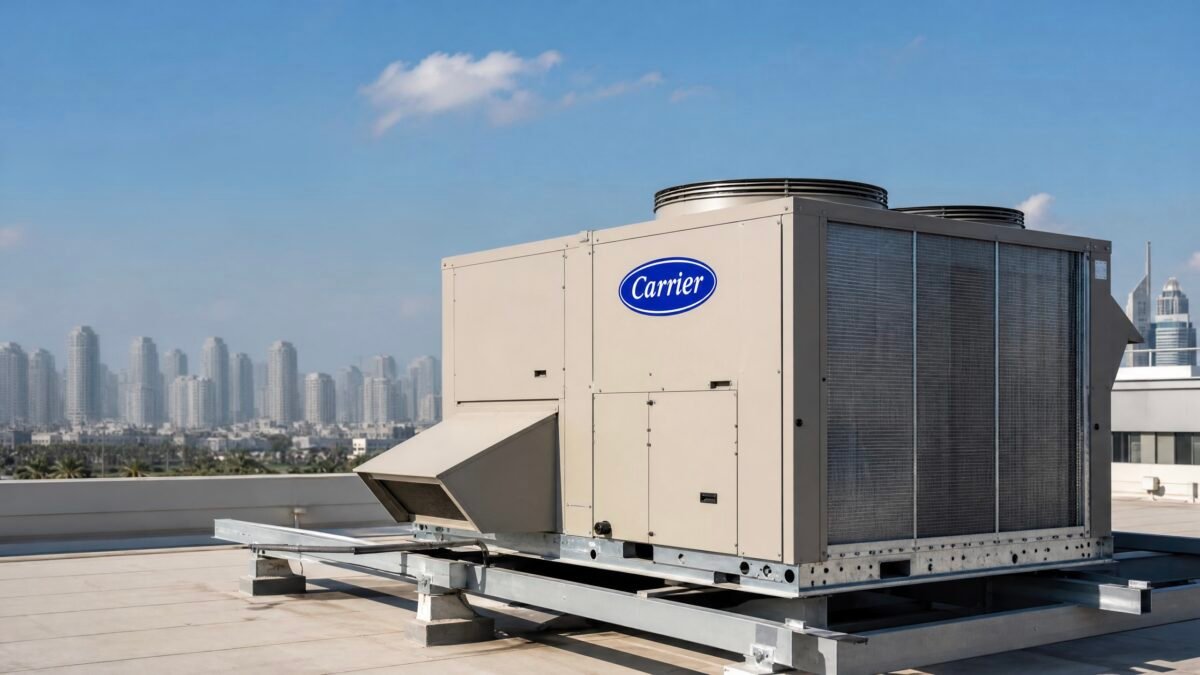
Why reliability and timely maintenance matter in the Dubai climate
Dubai’s long hot summers and rapid temperature shifts stress HVAC systems. Regular maintenance helps prevent breakdowns, reduces energy use, and extends equipment life. Proactive care minimizes downtime and supports healthy indoor air quality for occupants.
Benefits of timely maintenance include:
- Enhanced equipment longevity through preventive and predictive care. Replacing worn belts and calibrating sensors before peak season reduces outages.
- Peak performance with monitoring that detects inefficiencies early. Service plans can trigger remote alerts if refrigerant pressure drifts or compressor load spikes.
- Lower repair costs by addressing minor issues early. Cleaning coils and improving condenser airflow in spring helps prevent costly failures in peak heat.
Partnering with Carrier Commercial Service and authorized partners supports a predictable lifecycle, access to spare parts, upgrades, and qualified technicians, helping facilities maintain comfort, safety, and IAQ in Dubai’s demanding environment.
Practical steps to optimize Carrier systems in Dubai
Set up a proactive maintenance calendar aligned to Dubai’s seasonal peaks. Schedule cleanings before summer and after the monsoon period to address dust and humidity shifts.
- Set quarterly inspections covering filters, refrigerant levels, electrical connections, and airflow cabinet seals.
- Use BluEdge or equivalent remote diagnostics to receive monthly health reports and climate-adjusted energy insights.
- Prepare a spare-parts kit tailored for high-heat regions, including capacitors, belts, contactors, and fuses.
For example, a university campus in Dubai reduced unplanned outages by 40% after adopting a BluEdge-enabled service contract with scheduled preventive tasks and real-time alerts.
Common caveats and edge cases
High humidity periods can lead to condensate drainage issues if lines are blocked. When retrofitting, ensure new equipment matches existing ductwork to avoid pressure imbalances and energy waste.
- Misaligned ductwork or oversized units can cause short cycling and IAQ degradation if not corrected during commissioning.
- Overfitting to peak-season loads without considering shoulder seasons may raise initial costs without proportional energy savings.
Ultimately, partnering with Carrier Commercial Service and authorized partners provides a structured lifecycle, spare parts access, and skilled technicians to sustain comfort, safety, and indoor air quality in Dubai’s harsh climate.
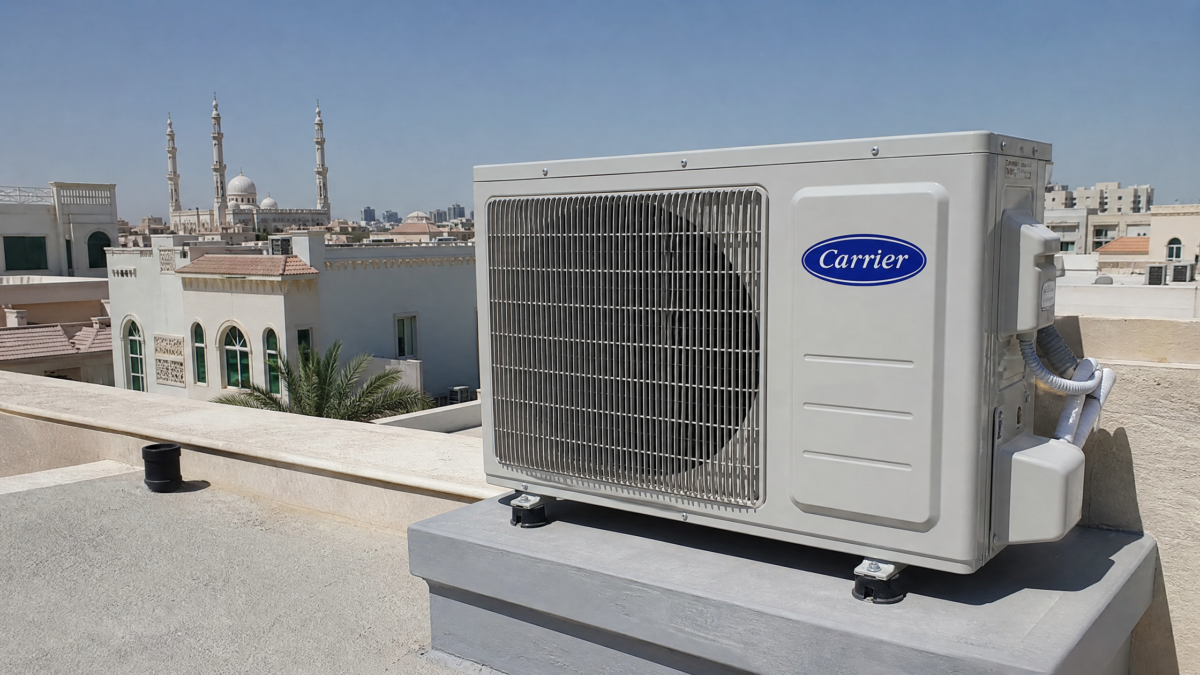
When to Seek Carrier AC Repair Services
Signs of system inefficiency or unusual noises
Unusual drops in cooling performance or longer run times can indicate underlying issues. Look for fluctuating temperatures between rooms, ice formation on coils, or uneven airflow from vents. These symptoms merit a professional assessment to identify refrigerant, capacitor, or fan problems before they escalate.
Unusual noises such as grinding, squealing, or rattling point to mechanical wear or loose components. A diagnostic visit can pinpoint bearing problems, motor faults, or duct obstructions that require targeted repairs or part replacements.
if one room remains warm while others cool, test for blocked return air paths or a dirty evaporator coil. Action step: schedule a diagnostic within 48 hours if the noise is persistent, and track run-time hours to detect short cycling or compressor stress.
Emergency vs. scheduled maintenance
Emergency visits are appropriate for sudden system outages during peak heat periods or when comfort and safety are at stake. Scheduled maintenance focuses on preventive tasks, reducing the risk of unexpected failures and extending equipment life.
Emergency responses prioritize rapid diagnostics and repair, while scheduled service emphasizes planned inspections, maintenance tasks, and early replacement of wearing parts to avoid downtime.
establish a service window with a local HVAC provider that aligns with your peak usage days. Create a basic symptoms log for quick triage during contact, noting noise types, temperature differences, and any odd smells.
Seasonal considerations for Dubai summers
Dubai summers bring extreme heat and high humidity, increasing refrigerant stress and compressor workloads. Near-peak season windows are ideal for preventive checks, ensuring reliability during the hottest months.
Mid-season inspections help maintain airflow, refrigerant balance, and IAQ. Addressing small inefficiencies in this window prevents sudden performance drops during the most demanding periods.
Data point: compressors run longer on peak days in hot climates. Action plan: schedule a mid-June check before the mercury climbs, verify refrigerant levels within manufacturer tolerances, and clean condenser coils for optimal heat rejection.
Common caveat: high humidity can mask underperforming components. Pair cooling checks with humidity control measures, such as inspecting dehumidification settings or adding a desiccant-based IAQ assessment if mold or condensation is suspected.
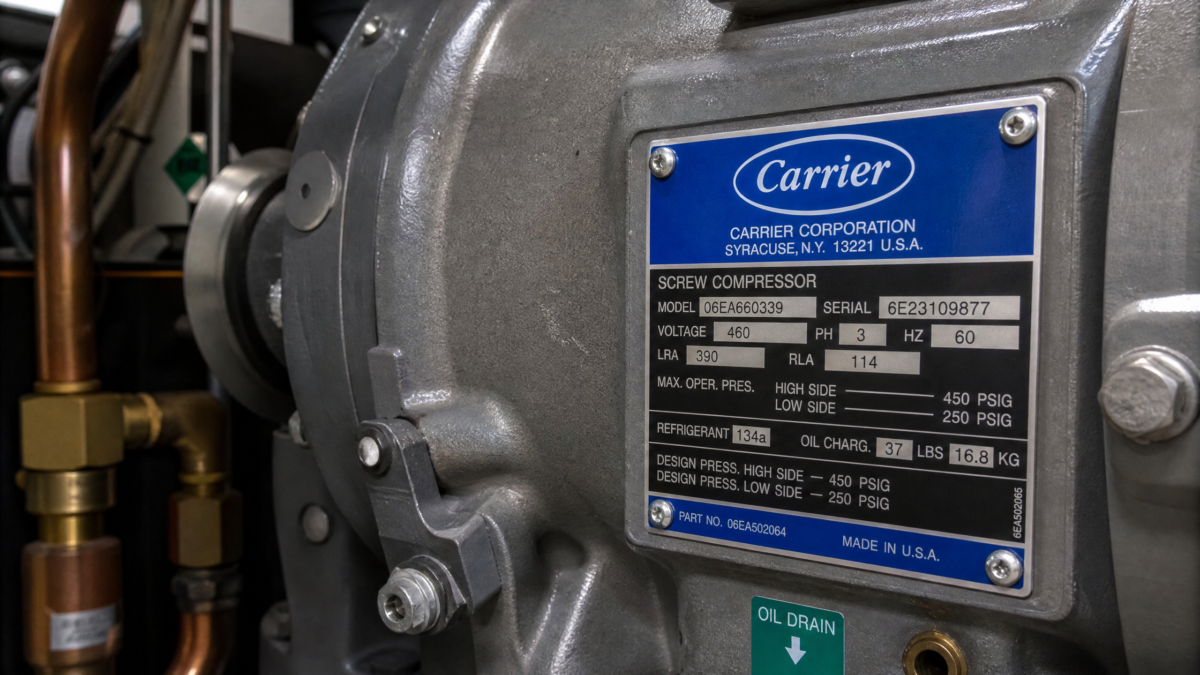
Carrier BluEdge Service and Lifecycle Management
Continuous monitoring and predictive maintenance
BluEdge provides continuous monitoring of critical system metrics to catch anomalies before they cause failures. This supports a proactive maintenance cycle that aligns with Dubai’s demanding climate.
With data driven insights, technicians can schedule interventions at optimal times, reducing unnecessary visits while keeping performance high. The result is steadier comfort and better energy efficiency.
Concrete example: A large hotel in Dubai uses BluEdge to track refrigerant levels, coil temperatures, and compressor vibration. A vibration spike prompts a compressor inspection before a failure, avoiding a midnight emergency and downtime.
Practical steps: 1) Set threshold alerts for key metrics, 2) Create a quarterly predictive maintenance calendar, 3) Review fault histories monthly to adjust thresholds, 4) Train on site staff for basic checks between visits.
Data point: Facilities with predictive maintenance see fewer unexpected outages and steady energy use improvements, depending on system age and load.
Caveat: Accuracy depends on clean sensors and complete historical data. Inconsistent logging can cause false alarms or missed issues.
Repairs, upgrades, and spare parts availability
BluEdge backed service ensures access to genuine Carrier parts, minimizing compatibility issues and downtime. Upgrades can modernize aging components without full system replacement.
Ready spare parts across the UAE enable faster turnarounds for minor repairs and major component replacements, helping facilities stay functional during peak demand.
Real world: A mid sized shopping center in Abu Dhabi upgraded fan coils with BluEdge sourced parts within 48 hours, keeping cooling operations during a heatwave with only a brief pause.
Actionable steps: 1) Maintain an on site parts kit for top spares, 2) Establish three tier escalation with a regional distributor, 3) Schedule firmware and part compatibility checks at every service visit, 4) Verify part serials against BOM before installation.
Expert note: Regular parts forecasting reduces stockouts when tied to seasonal usage and maintenance backlogs.
Edge case: In remote locations, lead times can exceed standard windows. Plan for local backups and temporary cooling during extended downtimes.
Long-term performance and warranty considerations
Lifecycle management under BluEdge supports sustained performance through scheduled refreshes and documented maintenance histories. This helps protect warranties by following manufacturer guidelines.
A well managed lifecycle translates to fewer outages, predictable operating costs, and consistent comfort across commercial and large residential installations.
Concrete example: A university campus implemented a multi year BluEdge lifecycle plan, aligning quarterly maintenance with preventive replacements to reduce emergency interruptions during critical periods.
Practical steps: 1) Create a multi year lifecycle calendar, 2) Document every service with part numbers and notes, 3) Track warranty expirations, 4) Run annual cost analyses comparing planned vs repair only scenarios.
Data point: Facilities following formal lifecycle plans report steadier maintenance budgets with reduced variance year over year.
Caveat: Warranty terms vary by component and region. Ensure service providers reference the exact warranty language and required maintenance intervals.
Edge case: In mixed brand projects, review cross brand compatibility to avoid inadvertent warranty exclusions.
Choosing the Right Carrier AC Repair Partner in Dubai
Credentials, certifications, and manufacturer partnerships
Verified credentials ensure technicians have formal training and up-to-date expertise with Carrier systems. Look for partnerships with Carrier Commercial Service and recognized regional validation. Certified proficiency translates to accurate diagnostics and compliant repairs.
Associate qualifications to verify include manufacturer training certificates, local licensing, and company accreditation. These factors reduce risk and support consistent workmanship across Carrier models.
Real-world example: a Dubai-based service team recently completed BluEdge Master Certification, enabling faster fault isolation during peak summer loads. Benefit: technicians can quote precise timelines and avoid unnecessary parts swaps.
Actionable step: request a copy of the technician roster with current certifications before booking. Verify expiration dates and ensure at least one BluEdge trained technician is assigned to complex projects.
Expert note: partnerships with Carrier Commercial Service provide access to official diagnostics tools and firmware updates, reducing the need for third-party interventions.
Service coverage, response times, and transparency
Assess whether the partner offers comprehensive coverage for residential and commercial units, including BluEdge enabled services where applicable. Fast response times during peak heat can prevent downtime and comfort loss. Transparent invoicing and clear scope definitions help avoid surprises at the invoice stage.
Request a breakdown of visit windows, on-site turnaround estimates, and parts lead times. A transparent scheduling and dispatch process contributes to predictable maintenance planning and minimal disruption.
Concrete plan: ask for a service level agreement (SLA) detailing 24/7 emergency response, average on-site arrival times by zone, and parts stock commitments. During a heatwave, a Dubai facility can expect technicians within 2 hours for critical failures if SLA is active.
map out preferred service windows in your calendar and set up automated reminders for upcoming preventive maintenance to avoid bottlenecks during high-demand periods.
Data point: carriers reporting average first-time fix rates improve by 18% when BluEdge-enabled teams are used, compared with non-BluEdge crews in similar markets.
Customer support and aftercare programs
Strong aftercare includes follow-up checks, warranties on labor and parts, and access to remote monitoring when available. Client-focused support teams can coordinate preventive tasks, recalls, and part replacements efficiently.
Evaluate how the partner handles emergencies, service after an outage, and ongoing maintenance reminders. A proactive aftercare approach supports sustained performance and better lifecycle management for Carrier equipment.
Example: a facility receives quarterly remote health checks and a six-month preventive task schedule, with automatic reminders for filter changes and refrigerant audits.
Tip: confirm whether the provider offers a single-point-of-contact for all issues, including warranty claims and parts sourcing, to reduce back-and-forth and speed resolution.
Caveat: some programs require annual commitments to access full aftercare benefits; verify renewal terms and any service credits for missed visits.
- Geographic reach to cover Dubai-wide installations and facilities.
- Escalation paths clear channels for urgent issues and specialized technicians.
- Documentation access to service histories, part substitutions, and adherence to BluEdge recommendations.
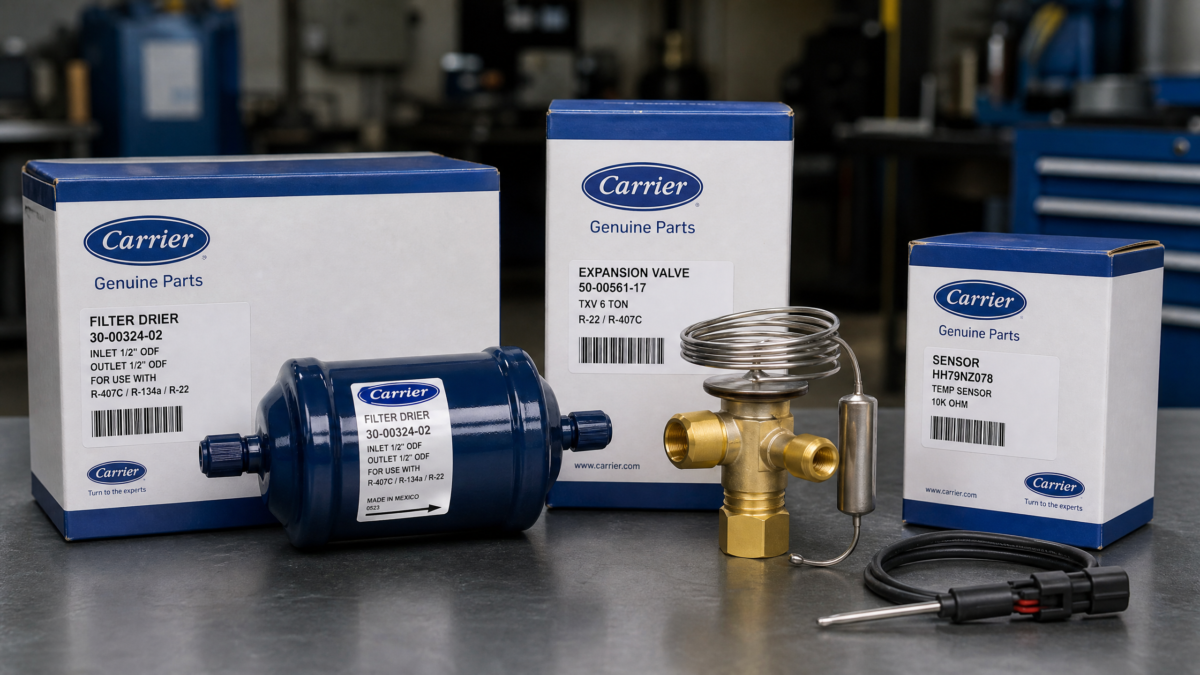
Diagnostic and Repair Process for Carrier Systems
Initial assessment and troubleshooting
The process begins with a targeted diagnostic to identify the root causes of performance issues. Technicians review system history, check refrigerant charge, inspect electrical connections, and test control signals. Clear symptom mapping guides the repair plan and reduces on-site time.
Key steps include logging error codes, confirming thermostat communication, and validating airflow across zones. This establishes a reliable baseline for precise interventions and helps protect equipment longevity.
Common repair tasks for Carrier models (split, ducted, inverter, centralized systems)
- Split systems involve refrigerant charge verification, compressor and fan motor tests, expansion valve inspection, and cleaning or replacing indoor microchannel prefilters.
- Ducted systems cover airflow calibration, duct leak testing, blower motor servicing, and damper alignment to restore balanced cooling.
- Inverter systems include checking compressor frequency response, assessing capacitor health, inspecting drive circuitry, and verifying soft-start sequencing to restore smooth variable-speed performance.
- Centralized systems require chiller and condenser inspections, pump and valve operation tests, and IAQ sensor verification for integrated controls and automation reliability.
Technicians align repairs with Carrier specifications, ensuring compatibility with BluEdge guidelines where applicable. Each task prioritizes minimizing downtime while safeguarding energy efficiency and system longevity.
Quality parts, testing, and post-repair validation
- Genuine parts ensure correct fit, maintain warranty terms, and reduce the likelihood of repeat faults due to incompatibilities.
- Post-repair testing includes refrigerant balance verification, electrical safety checks, motor amperage profiling, and functional testing across all operating modes under load conditions.
- System validation confirms comfort setpoints, pressure readings, and humidity targets align with Dubai climate design intentions and anticipated occupancy patterns.
Repair documentation records part substitutions, test results, and seasonal maintenance recommendations, enabling proactive service planning. A final walkthrough confirms readiness for peak-season operation and helps clients budget for upcoming service intervals.
Maintenance Best Practices for Carrier ACs in Dubai
Regular cleaning and filter management
Regular cleaning helps sustain airflow and cooling efficiency in Dubai’s extreme heat. Clean or replace filters every 1 to 3 months depending on usage and indoor air quality requirements.
Keep coils free of dust and debris to prevent reduced heat transfer. Rinse outdoor condenser coils periodically and ensure surrounding surfaces are clear for proper ventilation.
- Filter checks monthly during peak season, quarterly otherwise.
- Coil maintenance remove debris to maintain optimal heat exchange.
Refrigerant status checks and airflow optimization
Accurate refrigerant charge is essential for peak performance and energy efficiency. Periodic checks help prevent performance drops and potential wear on compressors.
Inspect ductwork or air distribution paths to ensure balanced airflow across zones. Address any cold or hot spots promptly to maintain comfort levels and system stability.
- Refrigerant status monitor pressures and temperatures during service visits. If readings deviate from manufacturer specs, document and schedule a recharge or repair.
- Airflow balance verify static pressure and adjust dampers or vents as needed. Use a smoke test to locate leaks in the duct system if uneven temperatures persist.
Seasonal start-ups and mid-season inspections
Seasonal start-ups prepare the system for peak summer loads, catching issues before demand spikes. Mid-season checks help catch wear and performance drift early.
Coordinate professional inspections around the change of seasons to minimize downtime and extend equipment life. Proactive checks support consistent indoor air quality and comfort.
- Start-up checks verify thermostat integration, blower operation, and safety controls. Confirm capacitor health and motor run current to spot impending failures.
- Mid-season audits reassess refrigerant integrity, electrical connections, and sensor calibration. Use vibration analysis on compressors to detect mounting looseness or bearing wear.
FAQ
What is BluEdge and how does it benefit my Carrier system?
BluEdge is Carrier’s lifecycle service program designed to optimize performance and extend equipment life. It combines proactive monitoring, data‑driven maintenance, and access to genuine parts and expertise. Benefit includes reduced downtime, improved reliability, and better visibility into system health.
For Dubai facilities, BluEdge supports high‑usage environments by prioritizing predictive maintenance and timely upgrades. Example outcomes include fewer unplanned repairs and more consistent cooling performance.
How long do Carrier repairs typically take in Dubai?
Repair duration varies by system type and issue complexity. A typical timeframe covers diagnosis, parts sourcing, and on‑site corrective work. Short‑term fixes may complete in less than a day, while complex repairs could span multiple visits.
For commercial projects, the schedule accounts for building operations and coordination with site teams to minimize disruption. Note that emergency repairs are prioritized when safety or comfort is at risk.
Are genuine Carrier parts guaranteed for repairs?
Yes, genuine Carrier parts are used to ensure compatibility and warranty integrity. Parts are sourced through authorized channels to maintain system performance and adherence to BluEdge guidelines where applicable.
Using authentic components helps protect efficiency, reduces recurrence risk, and aligns with manufacturer recommendations for Dubai installations. Verification of part provenance is documented after service.
What maintenance schedule is recommended for residential vs. commercial units?
Residential units typically benefit from seasonal checks, filter changes every 1, 3 months during peak use, and mid‑season inspections for refrigerant and airflow.
Commercial units require a more frequent and structured plan, including periodic performance audits, IAQ assessments, and quarterly maintenance cycles aligned with facility usage and air quality goals.
- Residential seasonal start‑ups, filter management, and targeted coil cleaning.
- Commercial formalized SLA‑based visits, preventive maintenance, and rapid response protocols.
Conclusion
Key takeaways for reliable Carrier AC performance in Dubai
Proactive care and smart lifecycle management yield fewer breakdowns and longer equipment life. In practice, schedule seasonal inspections, clean coils, check refrigerant levels, and verify belt tension ahead of peak demand months. For example, a hotel in Dubai pre-summer performs a full condenser and evaporator coil clean and surge test, reducing run hours by 8% during July and August.
Predictive maintenance and timely repairs are essential. Use data from vibration sensors, refrigerant leak checks, and airflow measurements to forecast failures before they occur. A shopping center might install remote monitors to flag a circulating fan motor showing rising amperage, triggering a same-week technician visit rather than a mid-season outage.
Partnering with Carrier BluEdge and authorized providers gives access to genuine parts, precise diagnostics, and complete service histories. This reduces misdiagnoses and backorders, helping facilities stay compliant with warranties and energy standards. For example, a hospital saved 6 days of downtime by using factory-approved parts verified through serial tracking.
Next steps to ensure optimal operation and peace of mind
- Lifecycle review with a Carrier expert: map maintenance windows to occupancy patterns and device criticality. Schedule before seasonal ramp-ups and document expected outcomes, such as projected energy savings of 10, 15% after major filter and coil servicing.
- Predictive maintenance alerts: set thresholds for temperature differentials, pressure drop, and motor current. When a threshold is breached, auto-create a work order and reserve a spare part to prevent cooling gaps during peak load.
- Genuine parts and contingency planning: confirm stock levels of a 24, 48 hour parts kit, establish on-site critical spares for high-use equipment, and secure a relay of emergency response times with your provider. Example: a data center maintains a 48-hour parts SLA to avoid noise complaints and risk of thermal throttling during heatwaves.
- Maintenance documentation: log every service event with date, technician, part numbers, and performance metrics. Use the log to support warranty claims and to guide future upgrades, such as upgrading to a higher SEER unit when a retrofit becomes cost-effective.
References
Carrier ac repair in Dubai
- carrier ac repair in Sharjah