Carrier AC Repair in Ajman
TL;DR
- Regular Carrier AC servicing in Ajman improves cooling efficiency, extends equipment life, and helps avoid unexpected breakdowns in hot, dusty conditions.
- Diagnostics, leak checks, and refrigerant management should be performed by Carrier-certified technicians; avoid DIY refrigerant handling and ensure proper leak repair before top-ups.
- A proactive maintenance routine (seasonal coil and filter care, duct checks, and preventive diagnostics) yields better indoor air quality and energy savings, with clear guidance on choosing a reputable service provider.
- Emergency situations require rapid assessment, safety measures, and documented symptoms; have a prepared service history and know when to seek immediate professional help.
Introduction
Overview of Carrier AC systems in Ajman
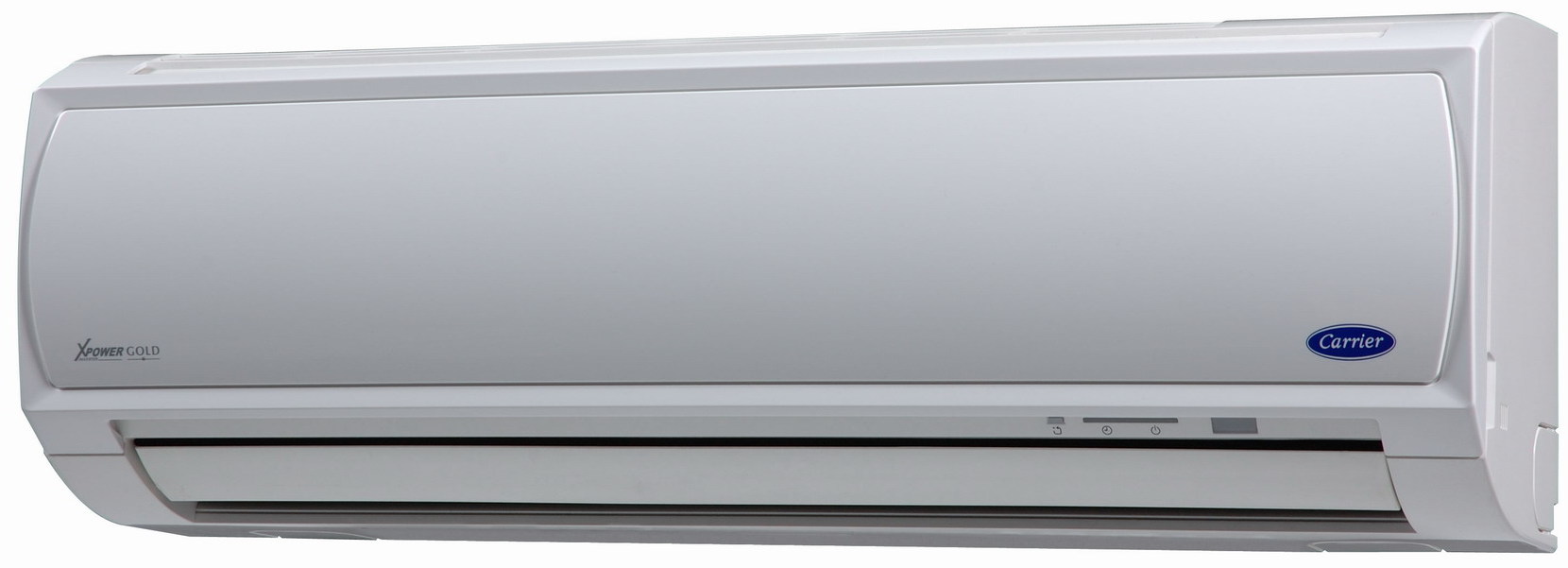
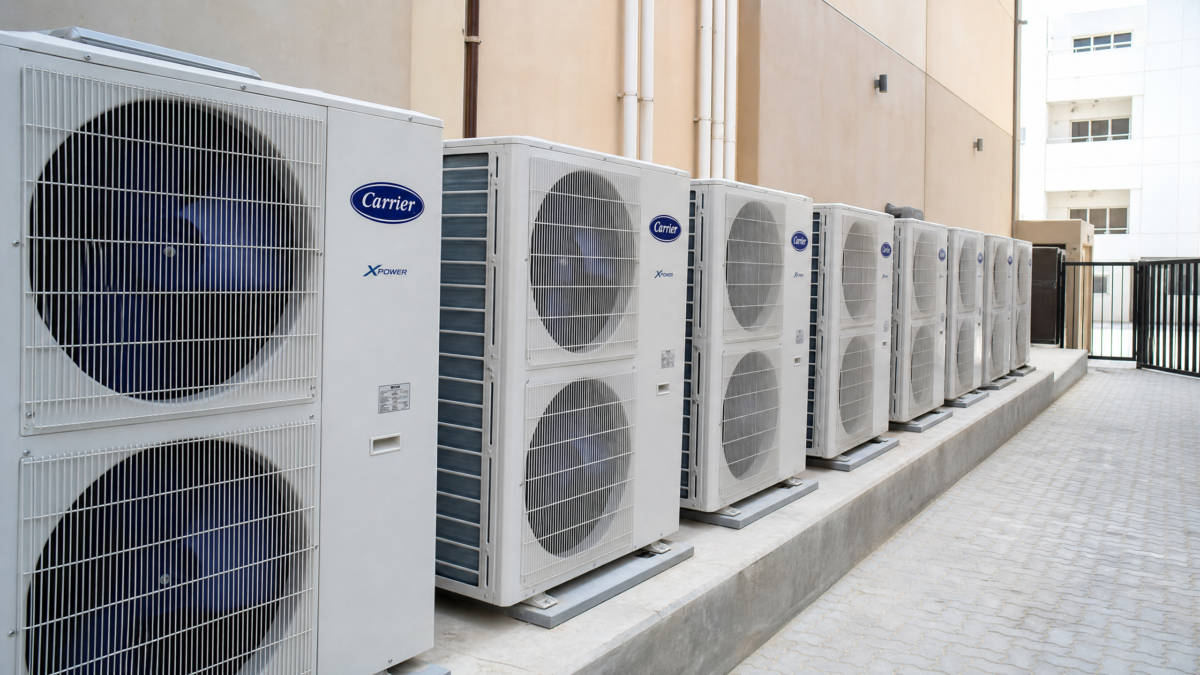
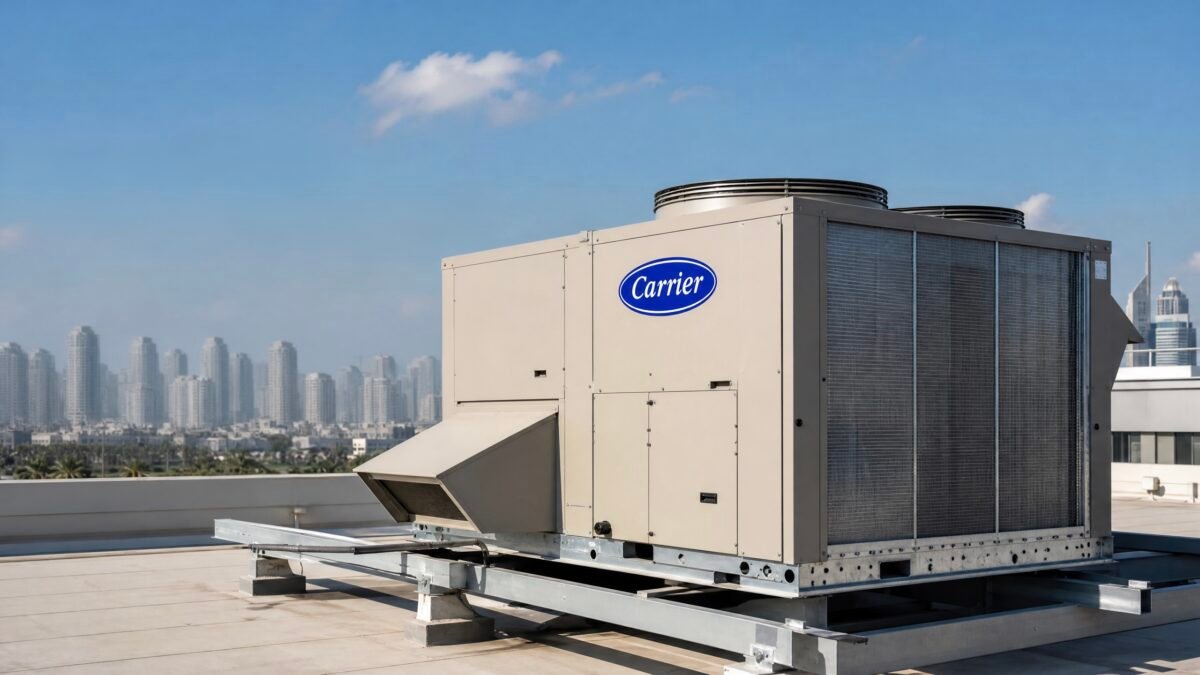
Carrier is a trusted name in air conditioning, with systems widely used in Ajman, UAE. From residential split units to commercial HVAC setups, Carrier air conditioners are chosen for reliability, performance, and ease of maintenance. Regular servicing helps these systems run smoothly in the region’s demanding climate.
Common climate-related challenges and why regular servicing matters
Ajman’s hot, dusty conditions stress cooling equipment. Regular AC servicing helps address these concerns by maintaining peak efficiency and extending the unit’s lifespan. Proactive care also reduces the risk of surprising breakdowns during peak heat.
- Dust and heat: Clogs in filters and coils reduce airflow and cooling power. Practical tip: schedule a two-step clean each season: filter wash and coil wipe, using a vacuum first then a mild cleaner.
- Humidity: Excess moisture can affect evaporator performance and indoor air quality. Practical tip: inspect condensate lines quarterly to prevent algae growth and ensure proper drainage.
- Electrical strain: Frequent cycling increases wear on compressors and fans. Practical tip: have a licensed technician test amperage draw and insulation every 6 months to catch early signs of overload.
With Carrier AC servicing, homeowners and businesses can benefit from improved cooling efficiency, longer system life, and better energy bills. A professional assessment can catch issues early, before they become costly repairs.
Real-world scenarios and actionable steps
In a villa community near Ajman Corniche, a homeowner noticed longer cool-down times during heatwaves. A service visit revealed a partially blocked outdoor unit and a low refrigerant charge. The technician cleaned the outdoor fins, replaced a dirty filter, and recharged the system. Within hours, indoor temperatures dropped 4, 6 degrees and electricity usage stabilized.
At a small business showroom, ongoing dust buildup reduced airflow and caused uneven cooling. The team implemented a quarterly maintenance calendar: filter replacement every 3 months, coil cleaning twice a year, and a mid-year diagnostic to check refrigerant levels and electrical components. The result was more consistent comfort for customers and staff.
Common mistakes to avoid
Avoid delaying servicing during cooler months, overestimating filter life, and attempting DIY refrigerant handling. Always use a licensed Carrier technician for refrigerant work and electrical tests to prevent leaks and safety hazards.
Metrics and expert perspectives
Experts note that regular professional servicing can improve system efficiency by up to 15, 20 percent and extend unit life by 3, 5 years when performed twice yearly on components and electrical checks.
Summary
Regular Carrier AC servicing in Ajman tackles dust, humidity, and electrical wear with concrete steps, real-world examples, and expert-backed outcomes. Schedule seasonally, follow a maintenance calendar, and rely on licensed technicians to maximize comfort and efficiency.
Diagnosis and Troubleshooting for Carrier AC
Common symptoms of Carrier AC faults
Unusual cooling performance such as weak airflow or uneven cooling can indicate airflow blockages or refrigerant issues.
Increased cycling or the system turning on and off frequently may point to thermostat calibration problems or electrical strain.
Unpleasant odors or moisture near the indoor unit can signal mold growth, condensate drainage blocks, or duct leaks.
Step-by-step diagnostic approach (before calling a technician)
- Check the thermostat settings and confirm mode, temperature, and fan speed align with comfort needs.
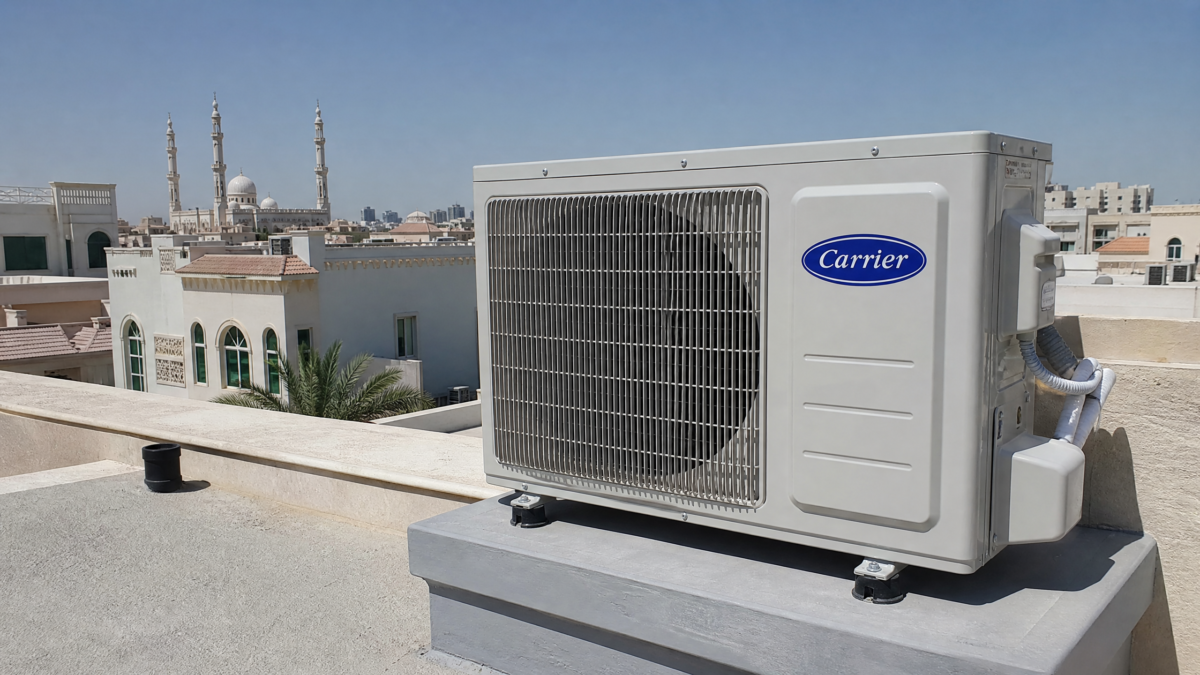
- Inspect the outdoor unit for visible obstructions, debris, or a blocked condenser coil.
- Feel the airflow at each register to identify potential duct or zone issues.
- Listen for abnormal noises such as grinding or squealing that may indicate motor or fan problems.
- Observe the indoor unit for frost buildup or ice formation on the coil, which can suggest refrigerant or airflow problems.
Additional quick checks you can perform safely
- Ensure all circuit breakers are in the ON position and the disconnect switch is accessible.
- Confirm filter cleanliness and replace if air flow is restricted.
- Check for visible refrigerant line condensation and note any hissing sounds near the outdoor unit.
What to document before a technician visit
- Current thermostat readings and setpoints
- Observed symptoms with timestamps and frequency
- Any recent changes, noises, or odors
Why professional diagnosis matters
Professional diagnosis ensures accurate fault identification, safeguarding refrigerant handling and electrical safety, while guiding effective repairs that restore peak efficiency.
For expert Carrier AC diagnostics and preventive care, consider scheduling a professional servicing session to support early fault detection and optimal performance.
Carrier Gas Top-Up and Refrigerant Management
Signs refrigerant is low
Low refrigerant reduces cooling capacity and disrupts system balance. Look for clear indicators to catch a low charge early:
- Warm air from vents despite correct thermostat settings
- Unexpectedly high humidity inside the space during cooling cycles
- Short cycling or extended run times as the system struggles to reach the desired temperature
Real-world scenario: In a conference room that remains muggy on hot days even after lowering the thermostat, a low charge can be the culprit. Quick check: note when heat is delivered and compare against outdoor temperature to assess efficiency.
Actionable steps:
- Check for iced evaporator coils or frost buildup on the indoor unit as a red flag.
- Monitor performance for 24 hours to see if symptoms persist at varying outside temperatures.
- Keep a simple log of indoor temperature vs. outdoor conditions to identify patterns.
Safe handling and professional refill requirements
Refrigerant handling requires trained technicians to prevent hazards and ensure code compliance. Rely on Carrier-certified professionals for a safe and compliant refill.
- Only use approved refrigerant types specified for Carrier systems, avoiding substitutes unless explicitly approved
- Seal and recover existing refrigerant using proper recovery machines to protect the environment and preserve system integrity
- Perform leak checks with electronic detectors and dye testing, then pressure tests after recharge to confirm proper operation
Practical scenario: A building maintenance team schedules a leak diagnostic and refrigerant recharge after a 0.5 psi pressure drop over a week. The technician confirms the leak source, repairs the joint, recovers old refrigerant, and recharges to manufacturer specifications. A follow-up test shows no residual leaks and stable operating pressures.
Common mistakes:
- Replacing refrigerant without fixing the leak first, leading to repeated charges
- Using generic recovery equipment that does not meet EPA requirements
- Neglecting to verify oil compatibility which can affect compressor life
Cleaning and Air Quality Focus for Carrier Systems
Coil cleaning, filter replacement, and duct care
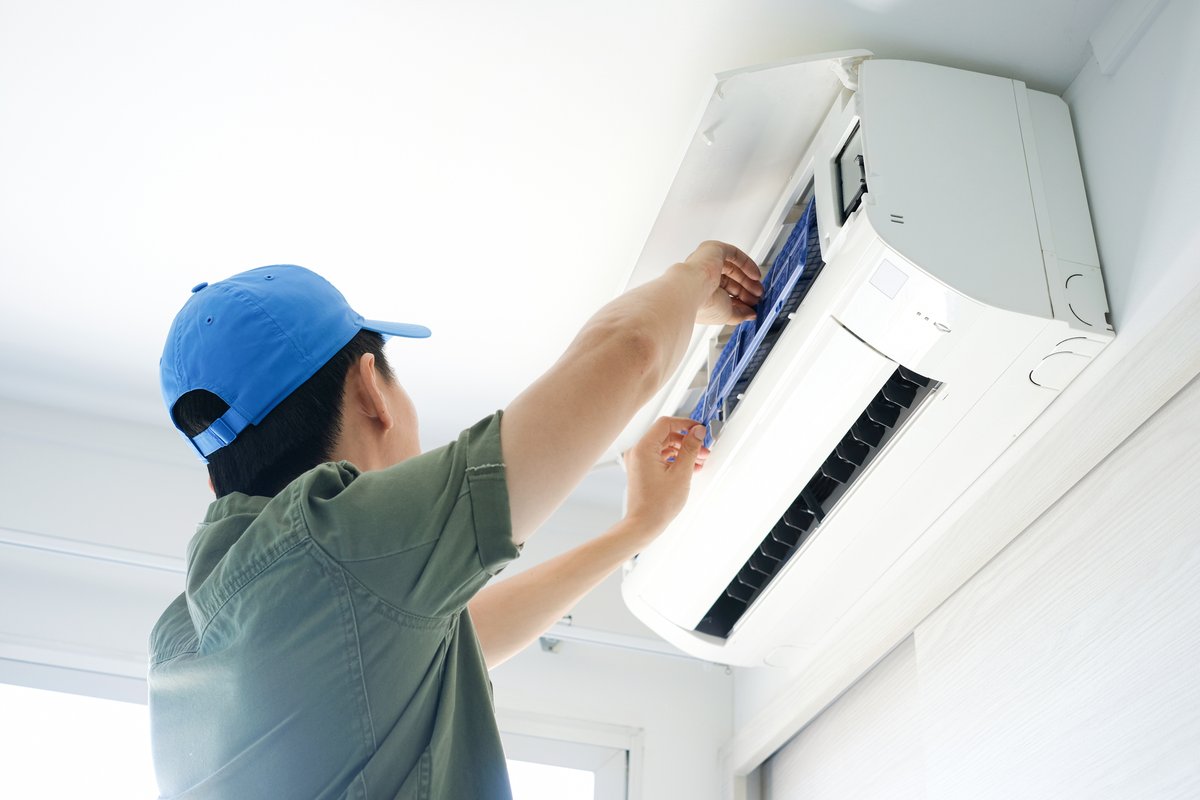
Regular cleaning targets key components that impact cooling performance with practical steps you can take this weekend. Coil cleaning removes dust and grime that insulates the coil and reduces heat transfer, helping your AC reach setpoints faster on hot days. Filter replacement maintains airflow and prevents particle buildup that triggers allergy flare ups. Duct care addresses leaks and dust accumulation that degrade efficiency and can cause hot or cold spots in rooms.
- Coils: use a soft brush to loosen debris, then apply a non acidic compressor coil cleaner following the product directions for safe, effective rinsing.
- Filters: replace with a filter rated for your system’s airflow and replace on a 1-3 month cadence based on occupancy, pets, and dust levels.
- Ducts: seal obvious gaps with metal mastic or foil tape and vacuum accessible ductwork to remove accumulated dust.
Impact on indoor air quality and efficiency
Clean components translate to better air quality and cooler, more economical operation. Regular care reduces dust re-entrainment, lowers energy consumption, and minimizes the workload on the compressor by preserving steady refrigerant balance and airflow.
| Focus Area | Benefit | Frequency |
|---|---|---|
| Coil cleaning | Improved heat transfer, reduced run time, and more consistent cooling | Seasonally or as needed during peak heat |
| Filters replacement | Better airflow, lower pressure drop, and improved indoor air quality | Every 1-3 months or sooner with heavy use |
| Duct care | Reduced leaks, fewer dust hotspots, and uniform distribution | Annually or as signs appear sooner in dusty environments |
Emergency Repair: When to Seek Immediate Help
Indicators of urgent failures
Treat sudden trouble as urgent. Expect no cooling or significantly reduced performance even with correct settings. Unusual noises like grinding or sustained squeals can signal a failing compressor or motor. Visible leaks around the units indicate refrigerant or condensate issues needing rapid attention.
- No cooling from the system even at higher fan speeds
- Unusual sounds indicating mechanical wear or electrical faults
- Water leaks, pooling, or refrigerant puddles near units
- Sudden temperature swings or breakers tripping repeatedly
What to expect from an emergency service visit
During an emergency, technicians prioritize safety and a fast assessment. You should receive a concise diagnostic, proper handling of refrigerant concerns, and quick isolation of the fault. The aim is to restore cooling and confirm there are no active leaks or electrical hazards.
- Live inspection of outdoor and indoor units and electrical panels
- Leak detection and containment if refrigerant is involved
- Temporary cooling solutions if needed to protect occupants
- Clear explanation of needed repairs and any parts involved
| Emergency Scenario | technician actions | Expected outcome |
|---|---|---|
| No cooling or reduced cooling | Assess refrigerant balance, compressor, and airflow paths | Identify whether a quick fix suffices or permanent component replacement is needed |
| Strange noises or electrical smells | Inspect motors, fans, and wiring for damage or overheating | Ensure safe operation and prevent further damage |
| Leaks around units | Contain and locate the source, inspect for refrigerant loss | Plan leak repair and system recharge if appropriate |
Concrete steps you can take now
- Turn off power at the thermostat and disconnect the outdoor unit to prevent further damage when you hear grinding or see sparks
- Document symptoms with time stamps, photos of any leaks, and note room temperatures to share with technicians
- Shut off the water supply if you notice condensate pooling near electrical panels to reduce shock risks
- Prepare your service history including recent repairs, filters changes, and any odd performance notes
Common mistakes to avoid
Avoid temporary fixes. Do not add refrigerant yourself unless you are licensed. Running the system with visible leaks or electrical signs can create fire or exposure hazards.
Expert perspectives and data points
Prompt action matters to limit refrigerant loss and electrical risk. Technicians report aging compressors and refrigerant leaks as common urgent failures, with call durations varying by access and location.
Edge cases and caveats
Older models may have hidden refrigerant charges or nonstandard components, requiring manufacturer-specific tools. In multi-zone setups, a fault in one zone can hide problems in another; expect a thorough whole-system check.
Summary
Urgent AC failures require rapid assessment, safety measures, and clear communication. Expect a focused diagnostic, leak control if needed, and a repair plan that restores cooling and prevents repeat emergencies.
Choosing the Right Carrier Service Provider in Ajman
Certified technicians and brand-specific expertise
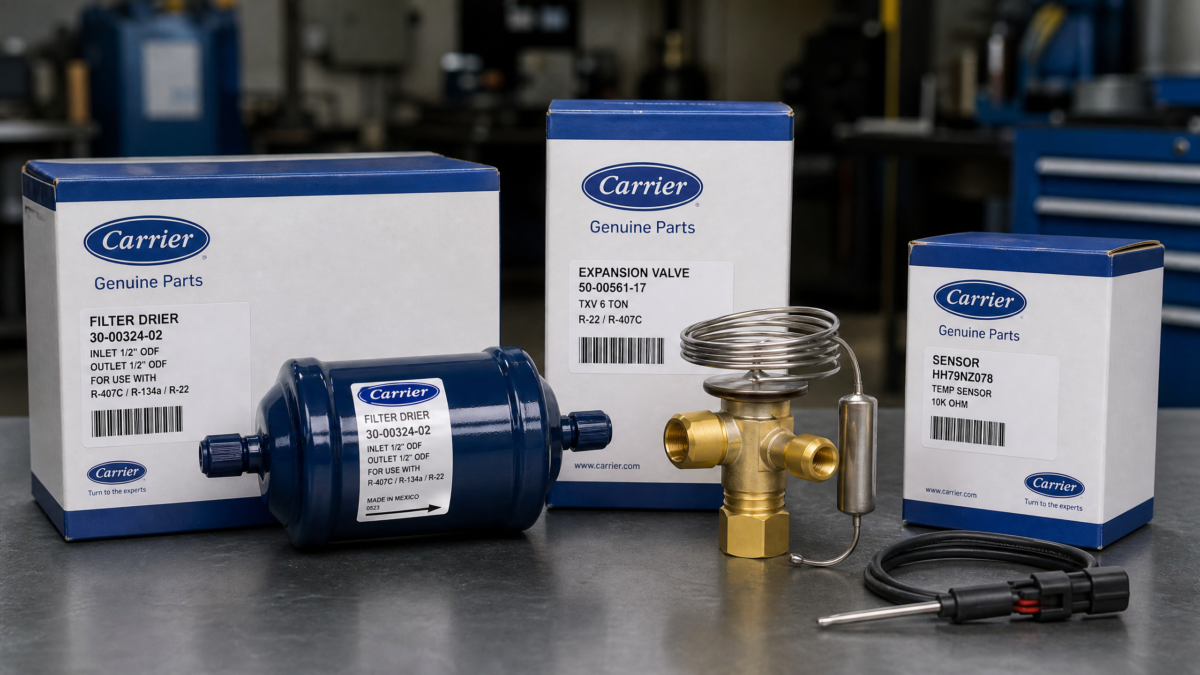
Verified technicians ensure work aligns with Carrier specifications and factory guidelines. This reduces the risk of improper servicing and preserves system performance. Look for technicians with ongoing training and Carrier certifications to guarantee familiarity with your model.
Carrier-specific expertise translates into accurate diagnostics, correct refrigerant handling, and proper component replacement. When technicians understand Carrier HVAC nuances, you gain reliability and longer equipment life.
- Certified proficiency with Carrier products and updates
- Ability to perform brand-first maintenance and troubleshooting
- Knowledge of Carrier warranty requirements and parts matching
Factors: response time, warranties, and service plans
Response time matters in hot Ajman conditions. Quick arrival and efficient service minimize downtime and discomfort. Aim for providers that publish clear emergency windows and track on-time performance.
- Response time commitment and after-hours availability
- Warranty terms on parts and workmanship
- Service plans that bundle preventive care with priority scheduling
Warranties offer peace of mind by covering common repeat issues after service. A solid service plan helps you lock in regular Carrier AC servicing, ensuring peak efficiency over time.
| Provider factor | What to look for | Benefit |
|---|---|---|
| Certification | Carrier-certified technicians | Accurate maintenance and compliant work |
| Response time | Defined arrival windows, after-hours options | Faster resolution and reduced downtime |
| Warranties | Parts and labor coverage | Protects against repeat faults |
| Service plans | Preventive care bundles, discounts | Consistent performance and cost savings |
When evaluating Ajman options, consider proximity to your location, references from local customers, and transparency in pricing. A provider who communicates clearly about scheduling, expectations, and next steps helps you maintain Carrier air conditioner performance with minimal hassle.
FAQ
What types of Carrier air conditioners are supported for servicing in Ajman
Carrier systems across common residential and commercial lines in Ajman UAE can be serviced by licensed professionals. This includes standard split systems, packaged units, and ducted setups branded by Carrier. Regular servicing helps sustain performance and efficiency in hot Ajman conditions.
How often should Carrier AC servicing be done
A preventive service once per year is typical for most setups. In high-use environments or with older equipment, semi-annual checks can help catch early faults, optimize airflow, and maintain peak efficiency. Regular servicing supports longer lifespan and better indoor air quality.
What should I expect during a routine Carrier servicing visit
A routine visit generally includes filter inspection or replacement, coil cleaning, a diagnostic of electrical connections, refrigerant balance check, and a performance test. The technician will report findings and outline any recommended maintenance or parts replacement.
Is a refrigerant top-up always required during servicing
No, a top-up is not always necessary. A technician will verify refrigerant levels and check for leaks. If losses are detected, leak repair takes precedence before any refill to ensure system integrity and safety.
How can I improve my Carrier AC’s efficiency between visits
Keep up with routine cleaning, replace filters as needed during peak seasons, ensure outdoor unit clearance for airflow, and seal any duct leaks. A well-maintained outdoor coil and clean indoor filters contribute to better cooling and lower energy use.
When is emergency service unavoidable
Seek urgent help if there is no cooling during peak heat, unusual loud noises, or signs of refrigerant leaks such as hissing sounds or oily residues near connections. Immediate service can prevent further damage and restore comfort quickly.
What should I look for when choosing a Carrier service provider in Ajman
Prioritize certified technicians with Carrier-specific training, transparent pricing, prompt response times, and clear warranties on parts and workmanship. A service plan that includes preventive care helps maintain performance over time.
Conclusion
Carrier AC servicing in Ajman reinforces reliable comfort in the region’s extreme heat. Regular, professional maintenance helps sustain peak efficiency and extends the lifespan of your Carrier system.
Prioritizing preventive care reduces the risk of unexpected downtime and costly repairs. Routine servicing supports early fault detection, helping you stay cool when temperatures rise.
- Certified technicians with Carrier expertise ensure correct procedures and reliable outcomes.
- Predictable service plans help maintain performance and protect warranty terms.
- Keep coils clean, replace filters, and maintain accessible outdoor units to optimize airflow.
For Ajman residents, scheduling routine Carrier AC servicing with a trusted local provider translates to consistent comfort, better indoor air quality, and longer equipment life. A proactive approach today minimizes disruption tomorrow.
Concrete steps to a proactive maintenance routine
Set a biannual service window, for example every spring and autumn, to align with UAE seasonal use. Schedule reminders two weeks ahead to ensure coverage during peak heat.
- Create a maintenance checklist that includes filter replacement every 1, 3 months, coil cleaning twice a year, and thermostat calibration annually.
- Ask the technician to verify refrigerant levels and inspect electrical connections for signs of wear.
- Document all service notes for warranty records and future diagnostics.
Benefits backed by data and expert insight
Regular servicing can improve system efficiency by up to 15, 20 percent, helping reduce energy costs during peak periods. Maintenance can extend unit life by several years, postponing expensive replacements.
- Energy bills often improve after coil and filter cleanings reduce airflow resistance.
- Preventive checks catch issues before compressor failure, avoiding emergency breakdowns.
Common mistakes and how to avoid them
Avoid neglecting outdoor units in dusty environments, which can clog fins and hinder heat exchange. Do not rely on patchy cleans without checking refrigerant and electrical safety. Always verify the technician holds current Carrier certification and proper license.
- Don’t skip annual inspections even if the system seems quiet.
- Don’t mix maintenance providers if warranty terms require Carrier-authorized service.
Real-world scenario: a typical Ajman household
In a home with a 2.5, 3 ton Carrier unit, a scheduled service in March replaced dirty filters, cleaned the outdoor coil, and tested airflow. By July, the upstairs zone stayed cooler with no noticeable humidity rise, and the cooling surge during peak afternoons was significantly reduced.
- Keep a maintenance log and share it with your chosen local provider for continuity.
- Set up automatic reminders for filter changes aligned with usage patterns.
Summary: Regular Carrier AC servicing in Ajman supports efficiency, comfort, and equipment longevity. A structured maintenance routine with certified local technicians minimizes downtime and protects your warranty.
References
Carrier AC Repair in Ajman