TL;DR
- Combatting Hard Water: Dubai’s mineral-heavy water causes scale buildup and sediment accumulation, which can increase energy costs by 15-25% and lead to premature component burnout if not regularly descaled.
- Expert Maintenance & Repair: Professional services like EmirateFix Center provide essential diagnostics, flushing, and part replacements (such as anode rods and heating elements) to prevent leaks, noisy tanks, and inconsistent temperatures.
- Optimizing Solar Systems: For solar and hybrid heaters, frequent cleaning of collectors to remove desert dust and sand is vital to maintain heat absorption efficiency and prevent system failure.
- Proactive Solutions: Implementing water softeners, pressure valve checks, and professional commissioning ensures long-term system safety, protects warranties, and provides a reliable hot water supply.
Professional Central Water Heater Repair in Dubai
Reliable Centralized Heating
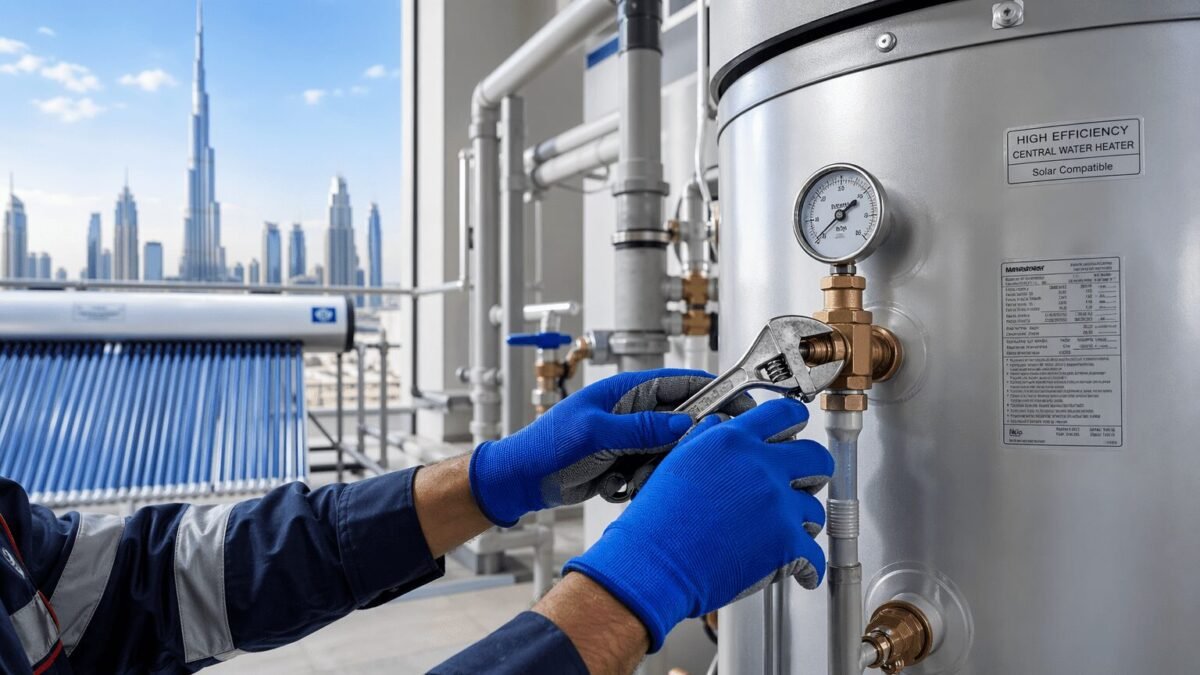
Maintaining a comfortable lifestyle in Dubai requires a consistent and reliable flow of hot water for both personal hygiene and essential household tasks. A well-functioning central heating system ensures that every faucet in your villa or apartment delivers immediate warmth on demand. When these large-scale systems fail, the resulting disruption affects the entire household’s comfort and daily routine.
Professional Diagnostic Services
To address these disruptions, EmirateFix Center (0581781705) offers expert restoration services for all types of water heaters across the city. Our technicians are skilled at restoring heat transfer efficiency by pinpointing common issues such as sediment accumulation or thermostat malfunctions. We prioritize rapid, accurate diagnostics so your home returns to peak performance without the frustration of unnecessary delays.
Versatile Unit Maintenance
Whether your property utilizes a standard electric tank or an advanced solar water heater, consistent professional attention is vital for longevity. Regular servicing identifies minor issues like hairline fractures or failing valves before they escalate. For example, replacing a corroded anode rod is a simple preventative measure that can save you from the high cost of a full system replacement.
Summary: Keep your home running smoothly with expert repairs. Prioritizing preventative maintenance and rapid technical support ensures a steady, energy-efficient hot water supply year-round.
Understanding the Impact of Dubai’s Hard Water
While regular maintenance is the first line of defense, it is important to understand why these systems fail so frequently in the region. The primary challenge for any hot water system in the United Arab Emirates is the high mineral content characteristic of the local water supply.
Hard Water Mineralization
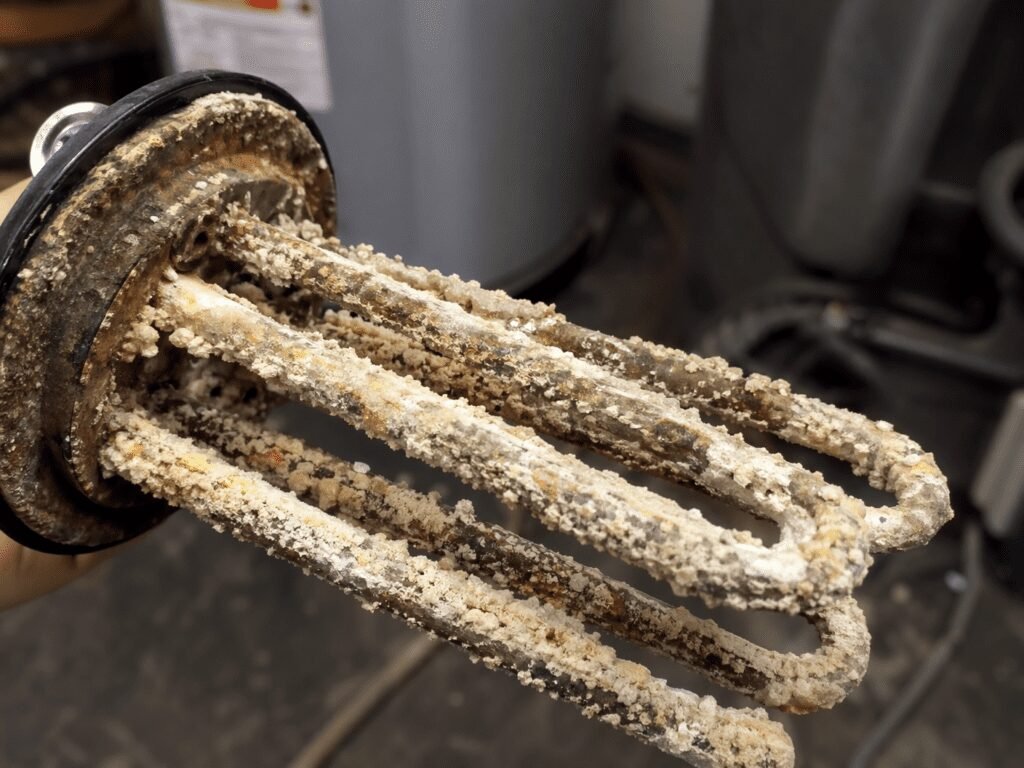
This “hard water” leads to significant calcium and magnesium scale buildup inside your tanks and piping networks. Over time, these minerals crystallize into a rock-hard layer that coats the interior surfaces of your heating equipment.
Reduced Heating Efficiency
These mineral deposits act as a thick thermal insulator between the heating element and the water. This barrier forces your immersion heaters to work significantly harder and longer to reach the desired temperature, which directly spikes your energy consumption. Industry data suggests that even a 2mm layer of scale can increase domestic heating costs by up to 15%.
Component Burnout
The strain of constant overworking eventually causes internal heating elements to overheat and burn out prematurely. Without efficient heat transfer, the metal elements become brittle and fail, leading to sudden losses of hot water and the need for emergency technical intervention.
Sediment Accumulation
Heavy particles eventually settle at the bottom of the tank, creating a thick, corrosive sludge. Regular system flushing and professional descaling are essential practices to prevent this sediment from destroying the tank’s internal lining and heating components.
Summary: Combat UAE water hardness with routine descaling to lower utility bills and extend the operational lifespan of your heater.
Common Symptoms of Water Heater Failure
Because hard water damage often happens out of sight, recognizing the early warning signs of system distress is crucial for any homeowner. Identifying these symptoms early can mean the difference between a simple part replacement and a complete system overhaul.
Fluctuating Water Temperatures
Inconsistent heat is often the first sign of a failing heating element or significant sediment buildup. When minerals coat the bottom of a tank, they insulate the water from the heat source, leading to erratic cycles. For example, you may find your shower water turning icy or scalding without any adjustment to the taps.
Unusual Rumbling or Popping
Audible noises coming from your central unit are clear indicators of internal stress. As sediment hardens at the base of the tank, it traps small pockets of water that boil and “pop” when the heater engages. This constant internal expansion and vibration can eventually crack the tank liner, causing irreversible structural damage.
Visible Leaks and Pooling
Water pooling around the base of your heater is a critical red flag that requires immediate attention. While some moisture may be simple condensation, persistent leaks often indicate a corroded tank or a failing seal. Professional leak repair services are essential in these instances to prevent water damage to your property’s flooring and walls.
Discolored or Rusty Water
If your hot water appears brown, yellowish, or has a metallic scent, the internal sacrificial anode rod has likely been depleted. Once this protective rod is gone, the water begins to attack the steel tank walls directly. A timely rod swap or heating element replacement can often save the unit if caught before the corrosion becomes widespread.
Summary: Watch for unusual noises, leaks, and temperature shifts to catch water heater issues early and avoid the expense of total replacements.
The Importance of Regular Water Heater Maintenance
Once you recognize the symptoms of wear, the most effective way to ensure long-term performance is through a structured maintenance plan. Professional upkeep identifies minor wear before it transforms into a costly emergency, keeping your system safe and efficient.
Extend System Lifespan
Proactive care is the most reliable way to prevent premature equipment failure. By flushing the tank and inspecting internal components annually, you can effectively double the functional life of your unit. For example, removing sediment buildup prevents the tank from overheating and developing the cracks mentioned previously.
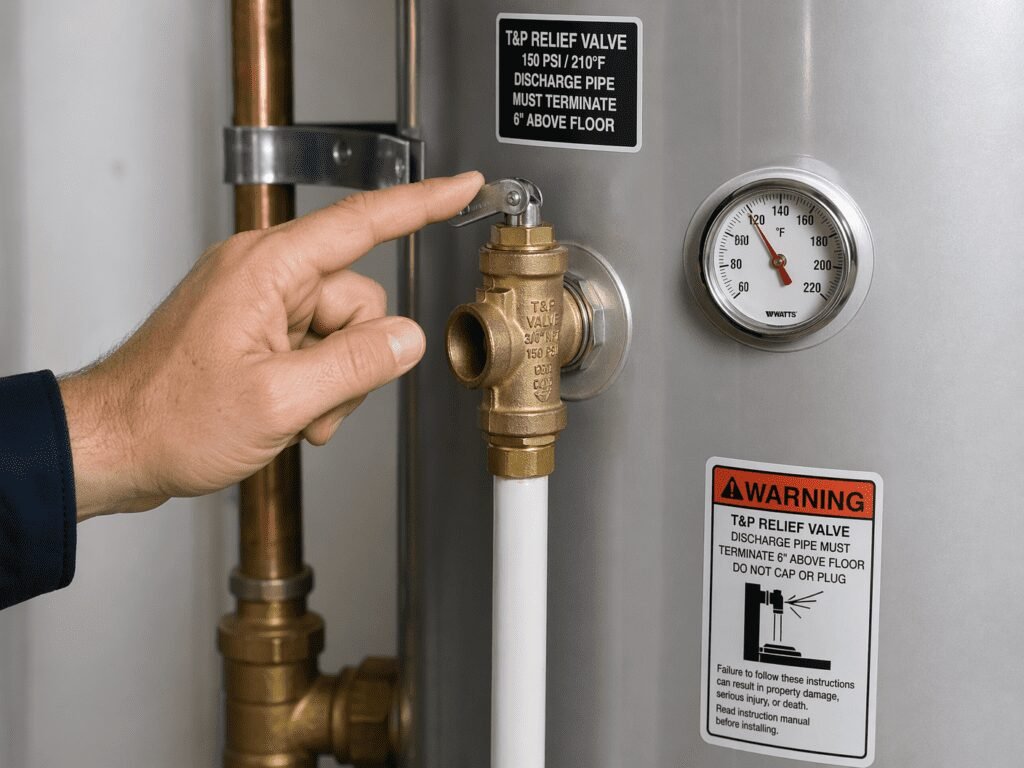
The Pressure Relief Valve
Safety is perhaps the most critical benefit of regular maintenance, specifically regarding the Temperature and Pressure (T&P) valve. This component is designed to prevent tank explosions by releasing excess heat and pressure. Technicians manually trigger this valve during a service call to ensure it hasn’t been seized or blocked by mineral deposits.
Sacrificial Anode Rod Replacement
The anode rod serves as a “lightning rod” for corrosion, attracting rust so your tank doesn’t have to. Replacing a depleted rod is a cost-effective way to avoid catastrophic tank failure or a massive solar thermal leak. We recommend an inspection every 12 months to monitor wear levels and replace the rod as needed.
Electrical and Safety Checks
Loose or aging wiring increases both fire risks and monthly energy bills. A comprehensive service includes inspecting all electrical connections and heating elements to ensure they are drawing power efficiently. This keeps your utility costs manageable and ensures your hot water supply remains consistent for years to come.
Summary: Professional upkeep identifies minor wear before it becomes a costly emergency, ensuring the safety, efficiency, and longevity of your investment.
Solar, Electric, and Hybrid Heating Solutions
Building on the need for efficient power consumption, selecting the right heating technology is the first step toward long-term savings. Dubai’s unique climate offers specific advantages for those looking to optimize their home infrastructure.
Abundant Solar Potential
Dubai residents enjoy over 300 days of sunshine annually, making solar water heating a premier sustainable choice. These systems use advanced solar collectors to absorb thermal energy directly from the sun. By utilizing natural radiation, homeowners significantly reduce their monthly utility bills while lowering their overall carbon footprint.
Advanced Hybrid Technology
Modern villas are increasingly adopting hybrid solar heaters. This technology integrates a traditional electric backup with solar thermal panels. It ensures a consistent hot water supply during rare cloudy spells or periods of exceptionally high household demand. This balance offers the reliability of the grid with the efficiency of renewable energy.
Professional System Maintenance
To maintain peak efficiency, regular solar collector repair and cleaning are essential. Dust accumulation in desert environments can block sunlight, reducing heat absorption. Expert technicians ensure that sensors and pumps function correctly, extending the lifespan of the unit.
Summary: Leveraging Dubai’s climate through solar and hybrid systems provides a perfect blend of modern sustainability, reliability, and significant cost savings.
Professional Solar Tank and Collector Repair
While solar technology is inherently robust, the specialized nature of these components requires a more technical maintenance approach than standard electric heaters. Protecting the hardware that captures and stores this free energy is vital for system health.
Thermal Storage Maintenance
Solar water heaters rely on specialized thermal energy storage tanks that differ significantly from standard electric units. These tanks must maintain specific internal pressures to store heat efficiently. Regular inspections prevent sediment buildup and ensure the tank’s lining remains intact. For example, flushing the tank annually can extend its lifespan by several years.
Circulating Pump Calibration
The circulating pump is the heart of your system, moving water between the solar collectors and the storage tank. If this component fails or loses timing, your water won’t reach the desired temperature. We calibrate these pumps to ensure optimal flow rates. A well-tuned pump reduces energy consumption and prevents system overheating.
Solar Thermal Leak Detection
Small leaks in the collector panels or connecting pipes can lead to massive energy loss and potential roof damage. Our team uses advanced leak detection tools to identify moisture escapes before they become costly repairs. Maintaining a sealed system ensures the transfer fluid remains at peak thermal conductivity.
Summary: Dedicated solar maintenance, including tank inspections and pump tuning, is essential to maximize system efficiency and protect your roof from leaks.

Effects of Mineral Scale on Energy Efficiency
Beyond mechanical leaks, the chemical composition of your water supply can quietly degrade performance. In the UAE, mineral accumulation, often referred to as “hard water” buildup, is a primary cause of system inefficiency across all heater types.
Restore Thermal Efficiency
Mineral scale acts as an insulating barrier between your heating elements and the water. This crust forces your system to run longer to reach target temperatures. By removing these deposits, you restore direct heat transfer and slash wasted electricity.
Lower Monthly Energy Bills
When scale buildup is ignored, utility costs naturally spike. A professional system flushing clears the calcium blockages that drive up consumption. Homeowners often see a 25% improvement in energy efficiency immediately following a thorough descaling service.
Extend Equipment Lifespan
Overworked components fail faster. Eliminating internal friction reduces the mechanical stress on your water heater’s internal parts. Regular maintenance prevents premature burnout, saving you thousands in early replacement costs and emergency repairs.
Consistent Water Temperature
Sediment buildup leads to fluctuating temperatures and “cold spots” during use. A clean system ensures a steady, reliable flow of hot water throughout your home, preventing the sudden “cold shock” during showers.
Summary: Routine descaling lowers utility overhead, protects your hardware investment, and ensures peak thermal performance year-round.
Technical Troubleshooting: Professional vs. DIY
While understanding the impact of scale and maintenance is helpful, the actual process of restoring a failing system involves complex risks. Distinguishing between simple checks and tasks requiring a specialist is crucial for home safety.
Visual Diagnostics and Safety
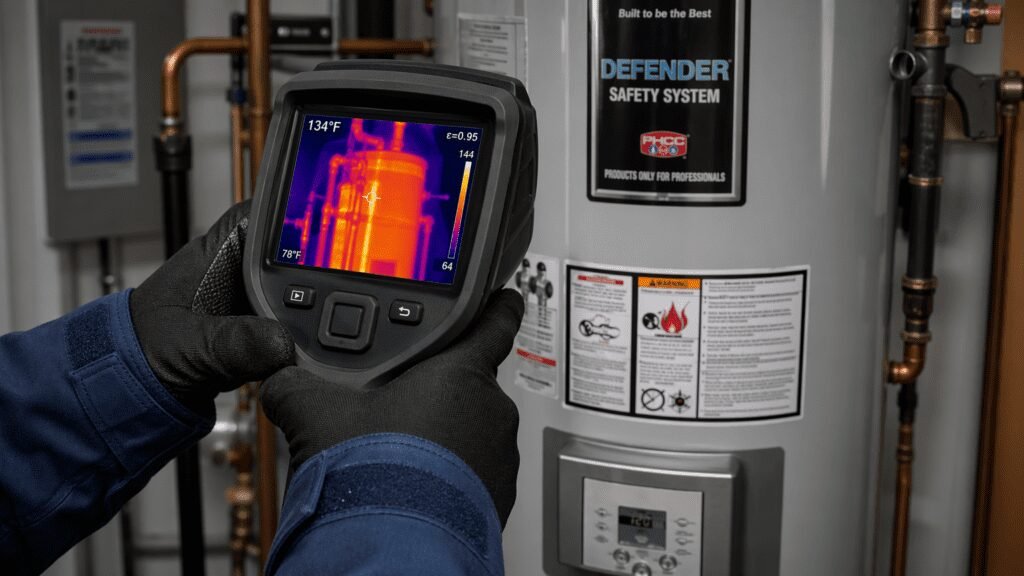
While homeowners can safely inspect a circuit breaker or press a tripped reset button, most internal failures require specialized equipment. EmirateFix Center utilizes advanced thermal imaging and ultrasonic pressure testing to pinpoint hidden leaks without damaging your walls. This non-invasive approach saves time and prevents unnecessary demolition.
Electrical Component Calibration
Attempting to replace a heating element without professional training poses severe risks, including electrical shocks or catastrophic flooding. Our certified technicians manage thermostatic control calibration to ensure your water remains at a safe, consistent temperature. Precise adjustments prevent scalding and extend the lifespan of the heating unit.
Mechanical System Maintenance
Complex mechanical issues, such as booster pump repair or anode rod replacement, require precision tools to maintain system pressure. We focus on restoring flow efficiency and preventing sediment buildup that leads to tank corrosion. Investing in expert maintenance ensures long-term reliability and lower utility bills.
Summary: Professional diagnostics protect your home from water damage and electrical hazards while maximizing energy efficiency through precision calibration.
Noticeable Signs Your System Needs Urgent Care
Beyond the calibration of energy settings, recognizing physical warning signs is the first step in preventing a total system breakdown. Early detection allows for targeted repairs before minor glitches evolve into expensive emergencies.
Identify Heavy Sediment Buildup
Sediment consists of minerals and sand that naturally settle at the base of your tank over time. This layer acts as a thermal barrier between the burner and the water, forcing the unit to work harder to reach the desired temperature. For example, if you notice your water takes significantly longer to heat up than usual, scale accumulation is likely the culprit.
Listen for Metallic Banging
Loud popping or “kettling” sounds occur when steam bubbles burst through a hardened layer of sediment. These vibrations cause physical stress to the inner lining of the tank. Regular flushing can remove these deposits before they solidify into damaging scale that compromises the unit’s structural integrity.
Monitor Water Pressure Drops
A sudden decrease in hot water flow often indicates that debris or mineral scale is clogging your pipes or the tank’s outlet valve. Reduced pressure limits your ability to use multiple taps simultaneously and puts unnecessary strain on the plumbing system.
Prevent Internal Tank Cracks
Overheating caused by thick sediment leads to metal fatigue and eventual fracturing. Once a tank develops a physical crack, it is generally irreparable. Seeking professional leak repair Dubai immediately ensures your system remains efficient, preventing the high cost of a total unit replacement and potential property damage.
Summary: Watch for unusual noise and pressure changes to avoid expensive tank failures and ensure long-term heating efficiency.
Maximizing Heat Transfer Efficiency
Once you have addressed visible signs of wear, the next step is optimizing the internal mechanics to ensure every kilowatt of energy is used effectively. High efficiency is achieved through a combination of mechanical cleanliness and precise configuration.
Component Hygiene
System efficiency relies on pristine internal mechanics. Over time, debris can clog the circulating pumps, forcing the motor to work harder and consume more electricity to move water through the system. Regular cleaning prevents mechanical friction. For example, flushing the lines annually ensures water flows freely without resistance, reducing the workload on the pump.
Electric Backup Management
Many modern solar and central systems feature an electric backup heater for periods of high demand. However, if misconfigured, this energy-heavy component may activate prematurely, causing a spike in your utility bills. Proper calibration ensures it only triggers during genuine emergencies or peak usage. Think of it as a safety net rather than a primary heat source.
Thermal Capacity Optimization
Maximizing the heat output per kilowatt is the ultimate goal of professional tuning. Our experts at EmirateFix Center adjust flow rates to align with your home’s specific layout and pipe length. This ensures your family receives consistent hot water without wasting energy. By balancing the thermal load, you extend the lifespan of the entire heating unit.
Summary: Maintain clean pumps, limit backup heater usage, and optimize thermal capacity to ensure long-term energy savings and reliable performance.
Estimated Repair Costs and Timelines in Dubai
While maintaining peak efficiency reduces the frequency of service calls, understanding the logistics of professional maintenance helps homeowners plan for necessary upgrades. Dubai’s specialized market offers various tiers of service depending on the complexity of the system.
Minor Component Calibration
Basic repairs focus on precision adjustments and simple hardware swaps. This includes thermostat calibration or replacing worn-out heating elements that have lost their conductivity. These tasks are affordable and prevent minor glitches from escalating into total system failures. For example, a quick sensor adjustment can restore consistent water temperatures instantly.
Major System Overhauls
Extensive repairs involve the core infrastructure of the heating unit. This typically covers solar collector restoration or full tank replacements for central systems. While these involve higher material costs, they are essential for long-term home efficiency. Replacing a corroded tank, for instance, prevents structural leaks and protects your property from water damage.
Rapid On-Site Servicing
Efficiency is the priority for modern households. Most standard repairs are finalized within two to four hours. Technicians typically arrive with fully stocked mobile units containing common spare parts for major brands. This ensures that most technical issues are resolved during the very first visit, minimizing downtime and restoring your hot water supply without delay.
Summary: From affordable sensor tweaks to major tank swaps, professional repairs ensure speed and reliability for your home.
Impact of Dust and Sand on Solar Collectors
The speed and cost of repairs are often influenced by environmental factors unique to the region. In the case of solar-powered systems, the external environment plays a direct role in how often your system requires professional attention.
Combat Dust Accumulation
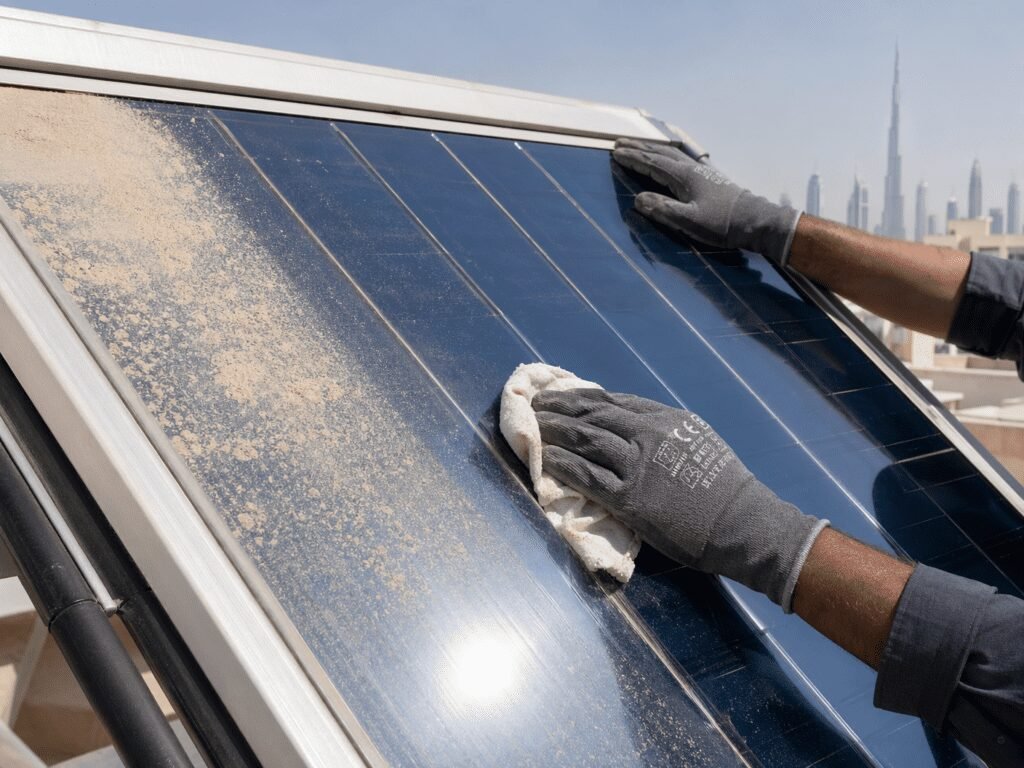
In the Gulf region, fine sand and airborne dust settle on solar collector surfaces rapidly. This buildup creates a physical barrier that can reduce thermal efficiency by 30% within just a few weeks. Regular cleaning prevents this “soiling effect,” allowing the vacuum tubes or panels to absorb maximum solar radiation even during dusty periods.
Optimize Thermal Absorption
A clean surface ensures the system captures infrared heat effectively. When grime blocks the sun’s rays, the heat transfer fluid inside the collectors cannot reach its target temperature, forcing backup systems to trigger. Keeping the glass clear ensures your solar water heater provides consistent, boiling hot water, even during the shorter, cooler winter days.
Extend System Longevity
Salt and mineral deposits from the desert air can lead to permanent etching on the collector glass if left untreated. Professional maintenance removes these corrosive elements before they cause long-term structural damage. This proactive approach protects your investment and maintains high energy yields throughout the entire year.
Summary: Frequent cleaning in Dubai is essential to overcome sand-related efficiency drops, ensuring reliable hot water and protecting the system’s hardware from harsh environmental degradation.
Benefits of Professional System Commissioning
Beyond routine cleaning, ensuring your equipment is correctly integrated from day one is the most effective way to prevent premature failure. Professional commissioning serves as the bridge between installation and long-term operational efficiency.
Initial Site Survey
A site survey is a comprehensive inspection of the installation area conducted before any technical work begins. This process identifies potential structural constraints or pipework limitations that could hinder performance. By assessing the environment early, technicians ensure the system is sized correctly for the building’s specific demands. For example, verifying roof integrity ensures solar collectors are mounted securely to withstand local wind loads.
Professional System Commissioning
Commissioning involves the final testing and calibration of the unit to ensure it meets exact design specifications. This step is vital for setting digital controllers to local parameters, which optimizes energy consumption based on Dubai’s climate. A calibrated system operates under the correct pressure, significantly reducing the risk of a solar thermal leak or mechanical failure during peak summer temperatures.
Long-Term Maintenance Benefits
Proper setup minimizes future booster pump repair needs by preventing dry-running or excessive cycling. Additionally, most manufacturers require documented proof of professional commissioning to keep your warranty valid. This proactive approach ensures peak efficiency and protects your financial investment for years to come.
Summary: Conducting a thorough survey and precise commissioning prevents leaks, protects your warranty, and ensures long-term system reliability.
Hard Water Solutions for Dubai Households
While correct commissioning secures the hardware, the quality of the water flowing through it remains a constant challenge. Managing the high mineral content found in local supplies is essential to prevent internal corrosion and efficiency loss.
Install a Water Softener
A water softener uses ion exchange to remove calcium and magnesium ions from the supply. This process eliminates the root cause of limescale, ensuring your immersion heater stays clean and free of buildup. For example, installing a salt-based system can prevent the thick mineral “crust” that often forms on heating elements and reduces heat transfer.
Utilize Scale Inhibitors
A scale inhibitor is a compact device that alters the chemical state of minerals without removing them. While it doesn’t physically extract minerals, it prevents them from adhering to internal surfaces and pipes. This is a cost-effective way to protect your central water heater without the need for regular salt refills or high-volume drainage.
Implement Proactive Maintenance
Treating water before it enters the tank reduces the need for frequent system flushing. By maintaining mineral-free water, you optimize heat transfer and lower energy consumption. A clean heater works significantly less to reach target temperatures, which translates directly to lower monthly electricity bills.
Summary Table | Solution | Primary Benefit | Maintenance Level | | :— | :— | :— | | Water Softener | Total mineral removal | Monthly (Salt) | | Scale Inhibitor | Prevents buildup | Low |
Frequently Asked Questions
Understanding the impact of water quality often leads to further questions about daily operation. Here are the most common inquiries regarding water heater performance in the region.
How often should I flush my water heater in Dubai?
Due to the high mineral content in the local supply, we recommend system flushing at least once every twelve months to prevent sediment buildup from hardening at the bottom of the tank.
Why is my solar water heater not hot at night?
This usually indicates a failure in the electric backup heating element or an issue with the thermal energy storage tank insulation, which prevents the water from retaining its daytime heat.
What causes a water heater to leak from the top?
Leaks from the top are often caused by a loose cold water inlet or hot water outlet pipe, or a failing pressure relief valve that is no longer managing internal expansion correctly.
Is it better to repair or replace an old heater?
If your tank is over ten years old and leaking from the main body, replacement is usually the most viable option. For younger units, a heating element replacement is a highly cost-effective fix.
Can dust affect my solar heater performance?
Yes, heavy dust on the solar collector blocks sunlight and acts as an insulator. Regular solar panel cleaning is required to maintain heat transfer efficiency and ensure high water temperatures.
What is the role of the sacrificial anode rod?
The sacrificial anode rod protects the tank from corrosion by rusting itself first. It should be checked every two years to ensure the tank walls remain intact.
Summary of Services
Addressing the issues mentioned in our FAQ section requires a specialized approach. Our team provides a full suite of services designed to keep your hot water flowing reliably regardless of the season.
Solar Heater Maintenance
Solar systems require specialized care to maintain peak performance in sandy environments. This service involves cleaning solar collectors and inspecting panels for cracks or debris. Regular maintenance ensures your system captures maximum sunlight, significantly reducing your monthly energy bills.
Leak Detection and Repair
A small drip can lead to major structural damage and high water costs if left unchecked. Technicians utilize advanced tools to identify hidden leaks in tanks or piping. Prompt leak repair prevents mold growth and protects your home’s plumbing integrity.
Heating Element Replacement
If your water takes too long to heat or the breaker constantly trips, the internal element may be failing. Replacing worn-out heating elements restores rapid warmth and improves heat transfer efficiency. This is a cost-effective alternative to replacing the entire unit.
Hard Water Descaling
Dubai’s water can cause rapid mineral buildup, which chokes pipes and tanks. System flushing removes sediment and limescale from the tank. This process extends the lifespan of your heater and ensures consistent water pressure throughout the property.
Summary: Professional servicing combines thermostatic calibration with expert repairs to guarantee a reliable, energy-efficient hot water supply for your household.
Contact EmirateFix Center:
* Phone: 0581781705
* Email: info@emiratefix.com