

Common Questions
Solar and Central Water Heater Repair in Dubai 0543747022 Free Check Up
Solar and Central Water Heaters Repair Services in Dubai 0543747022
The rising demand for hot water systems in Dubai has led to the adoption of both solar and central water heaters. Each type has its unique benefits and challenges, often requiring specialized repair services to maintain optimal performance. This section will delve into the intricacies of solar and central water heaters, the common issues they face, and the importance of regular maintenance.
Solar and Central Water Heater Repair in Dubai 0543747022 Free Check Up
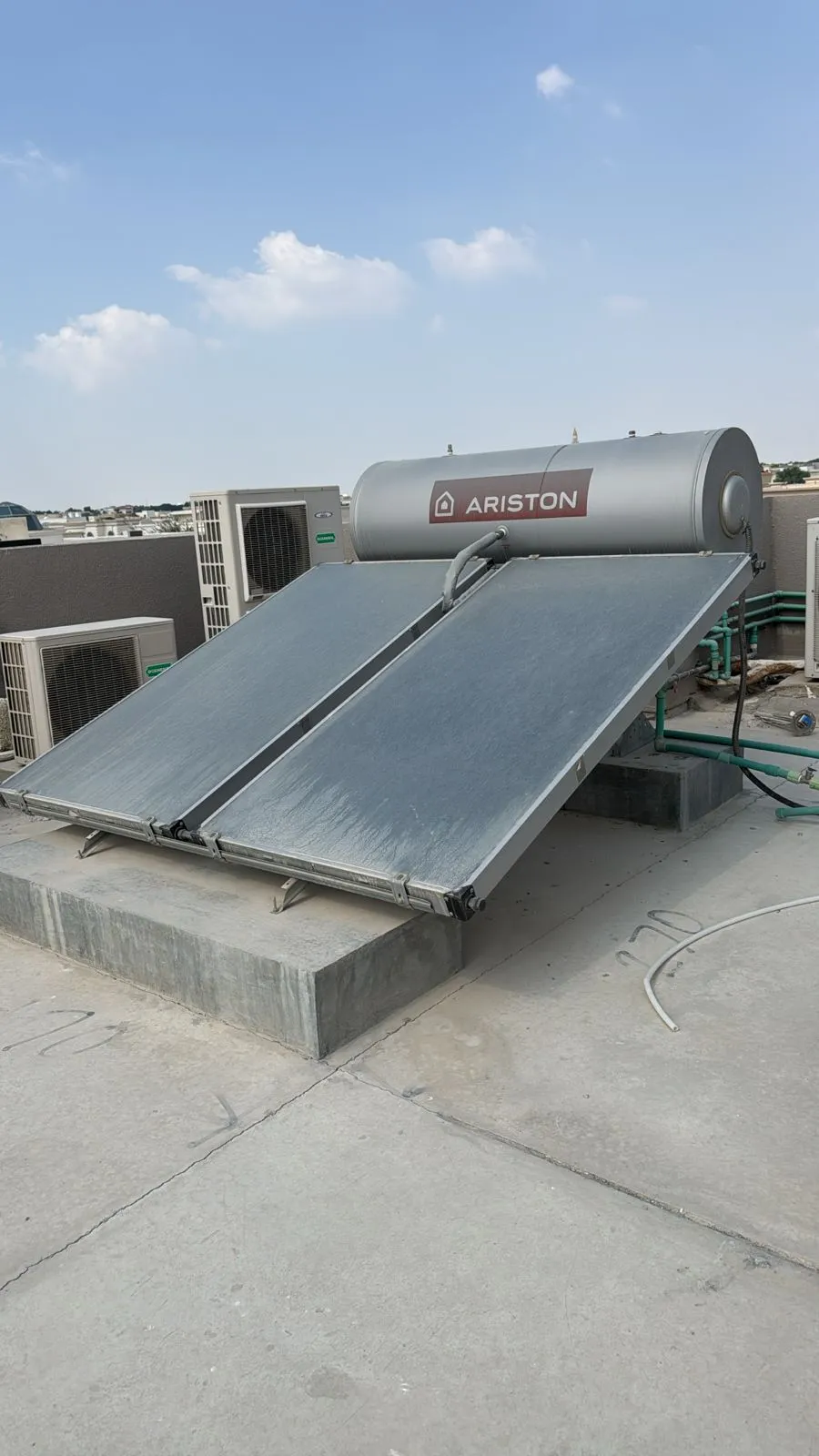
Overview of Solar Water Heaters
Solar water heaters utilize renewable energy from the sun to heat water, making them an eco-friendly choice. In a sunny place like Dubai, these systems can be highly efficient. Here’s how they typically work:
- Solar Collectors: These panels capture sunlight and convert it into thermal energy.
- Storage Tanks: The hot water is stored in insulated tanks, ready for use.
- Pumps: Circulation pumps move water between the collector and the storage tank.
The advantages of solar water heaters include:
- Cost Efficiency: Once installed, operating costs are significantly lower.
- Environmental Impact: Reducing reliance on fossil fuels decreases carbon footprints.
- Government Incentives: Often, local authorities offer incentives for using renewable energy sources.
However, like all systems, they require attention. Common issues can arise, such as leaks or problems with the controller, which can affect their efficiency and overall performance. Knowing when to call for solar water heater repair in Dubai is essential to keep your system working optimally.
Solar and Central Water Heater Repair in Dubai 0543747022 Free Check Up
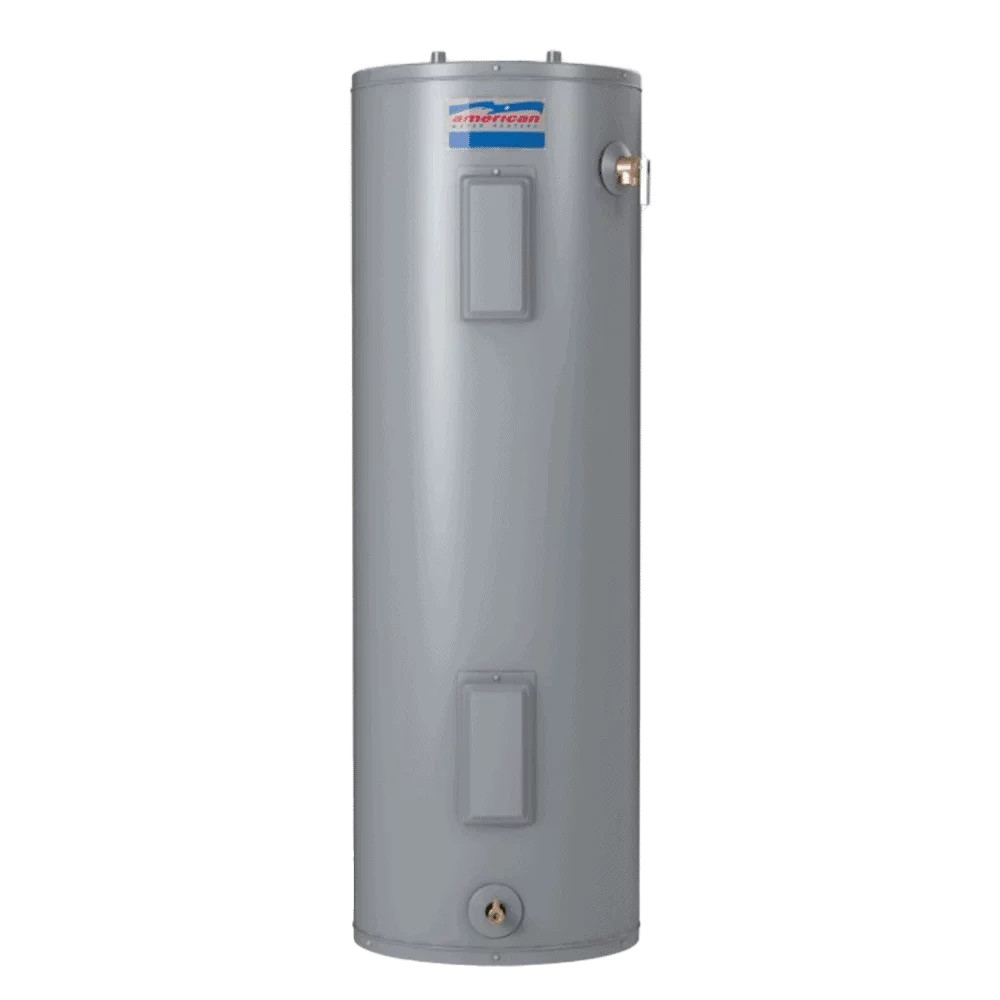
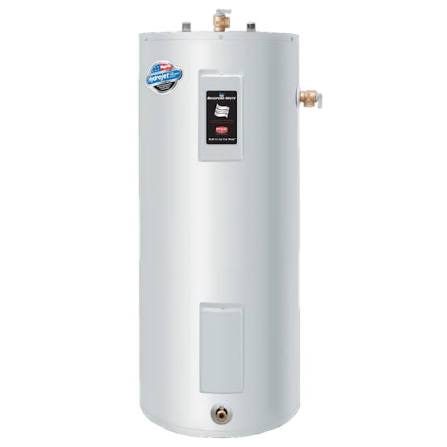
Overview of Central Water Heaters
Central water heaters, unlike their solar counterparts, typically rely on electricity or gas to heat water. These systems are designed for larger households or businesses where hot water demand is higher.
Key components include:
- Heater Tank: This is where the water is heated and stored.
- Heating Element: Electric models have coils that heat the water, while gas models utilize burners.
- Thermostat: Regulates the water temperature to ensure a consistent supply.
Benefits of central water heaters consist of:
- Constant Supply: They can provide a large volume of hot water on demand.
- Reliability: They are less dependent on weather conditions compared to solar systems.
However, they can be more costly in terms of energy use and maintenance over time. Common issues requiring central water heater repair in Dubai include loss of hot water, sediment build-up, or heating system failures. Prompt repairs can prevent further damage and ensure your system functions correctly.
Importance of Regular Maintenance
Just as with any appliance, regular maintenance is crucial for both solar and central water heaters. Neglecting this aspect can lead to significant problems over time, so integrating a maintenance schedule is wise. Here’s why it matters:
- Efficiency: Regular checks keep the systems running at peak performance. For solar heaters, this means ensuring collectors are clean and unobstructed. For central heaters, checking for leaks and inefficient heating can save money and energy.
- Longevity: Just like maintaining a car, timely repairs and servicing extend the life of your water heater. An ignored unit may exhibit signs of wear and tear, reducing its lifespan considerably.
- Safety: Especially in central heating systems, failing to address potential issues can lead to dangerous malfunctions, such as gas leaks or water damage.
To maintain your water heaters, consider implementing practices such as:
- Routine Inspections: Schedule a yearly professional check-up to catch issues before they escalate.
- Cleaning: For solar heaters, periodic cleaning of the panels can maximize efficiency. Central heaters should be flushed to remove sediment build-up regularly.
- Monitoring: Keeping an eye on your system’s performance can help identify problems sooner rather than later.
Regular maintenance not only enhances the durability of your water heaters but also provides peace of mind. Whether you own a solar or central water heater, investing in professional repair services ensures you enjoy hot water without interruption while potentially saving on costs in the long run.
Solar and Central Water Heater Repair in Dubai 0543747022 Free Check Up
Common Issues with Solar and Central Water Heaters
Even the most efficient systems can encounter problems, and solar and central water heaters are no exceptions. Recognizing these common issues early on can save time and money down the line. This section will explore four prevalent problems: leaking or dripping, no hot water, strange noises, and pilot light issues.
Leaking or Dripping
One of the most common problems faced by both solar and central water heaters is leaking or dripping. This issue, while seemingly minor, can escalate quickly if not addressed.
Common causes of leaks include:
- Loose Connections: Over time, the fittings and connections may become loose, leading to water escaping.
- Corrosion: Older units are particularly susceptible to corrosion, especially if they’ve been neglected for routine maintenance.
- Temperature and Pressure Relief Valve Failure: This safety valve can also fail, causing leaks if not functioning properly.
If you notice any dripping or pooling water around your heater, it’s crucial to take action:
- Inspect the area: Check for visible signs of leakage.
- Turn off the water supply: If the issue persists, it’s wise to shut off the water until a qualified technician can assess the situation.
- Seek Professional Help: Calling a repair service for solar or central water heater repair in Dubai can prevent further damage to your property.
Leaking can not only lead to more extensive repairs but also result in increased utility costs due to wasted water.
No Hot Water
Nothing is worse than preparing for a shower or a load of dishes only to find that the water isn’t hot. There are several reasons why your water heater might not be delivering hot water:
- Thermostat Malfunction: If the thermostat fails to detect the water temperature accurately, it might not signal the heating element to activate.
- Heating Element Issues: For central heaters, the heating element could be burned out or malfunctioning. In solar units, a failure in the solar collector systems can impede performance.
- Tripped Circuit Breaker: Sometimes, a simple power outage or surge can cause the heater’s circuit breaker to trip.
To troubleshoot:
- Check the thermostat setting: Ensure it’s set to a suitable temperature.
- Inspect for Power Issues: If using electrical models, check if the circuit breaker has tripped.
- Contact a Technician if Needed: If you’ve ruled out simple fixes and the hot water problem persists, professional assistance is essential.
Having no hot water can affect daily routines significantly, making it a high-priority issue.
Strange Noises
Are you hearing odd sounds from your water heater? Gurgling, popping, or banging noises can be alarming and are often signs of underlying issues. Here are some common culprits:
- Sediment Build-Up: Over time, sediment can accumulate at the bottom of the tank, leading to noise as the heating element struggles to heat the water through the debris.
- Expansion and Contraction: As water heats up and cools down, it can cause the tank to make popping or creaking sounds, which is generally normal.
- Water Hammer Issue: This phenomenon occurs when water is forced to stop or change direction suddenly, resulting in banging sounds.
To address strange noises:
- Consider Flushing the Tank: Regular flushing can help remove sediment and improve efficiency.
- Monitor the Sounds: If the noise changes or gets louder, it might indicate a more serious problem.
- Consult a Specialist: A certified technician can determine whether the noises need immediate action.
Strange noises are often indicative of a need for maintenance, so it’s essential not to ignore them.
Pilot Light Issues
For gas-powered central water heaters, the pilot light plays a crucial role in ensuring your system functions correctly. If you find the pilot light is out, it can lead to the heater not working at all.
Common issues with the pilot light can include:
- Drafts or Wind Exposure: If the pilot light is located in a drafty area, wind can extinguish it.
- Faulty Thermocouple: This sensor, responsible for detecting whether the pilot light is on, can malfunction, causing the gas supply to shut off.
- Dirty Pilot Tube: A clogged tube can prevent the right amount of gas from flowing to the pilot light.
If you experience pilot light issues:
- Check for drafts around the unit: Ensure it’s in a protected area.
- Clean the pilot tube: This can sometimes resolve minor blockages.
- Call a Technician: If the issue persists, a professional can assess and fix the problem to ensure safety.
Forgetting about pilot light issues can lead to heating problems and safety concerns in your home, making it essential to act quickly.
In summary, understanding these common issues with solar and central water heaters can help homeowners take proactive measures to maintain their systems. Regular inspections, maintenance, and prompt repairs can extend the life of these essential appliances and ensure consistent hot water when needed.
DIY Troubleshooting Tips for Solar and Central Water Heaters
Dealing with issues related to solar and central water heaters can sometimes feel overwhelming, especially for homeowners who may not be familiar with plumbing or heating systems. The good news is that many common problems can be addressed through DIY troubleshooting techniques. In this section, we will explore three essential tips: checking for leaks, inspecting the pilot light, and flushing the tank.
Checking for Leaks
Leaks are one of the most common problems encountered with both solar and central water heaters. If left unaddressed, they can lead to significant damage and costly repairs. Here’s how to identify and manage leaks:
- Visual Inspection: Start with a thorough visual inspection of your heater. Look for any signs of water around the base, connections, and pipes. Don’t forget to check the walls and floor for water stains or moisture.
- Listening for Sounds: Sometimes, leaks may not be visible. Listen for any dripping sounds emanating from the heater or adjacent areas.
- Assess the Hoses and Valves: Examine all hoses and fittings for signs of wear or damage. Sometimes a loose fitting can be tightened with a wrench to stop the leak.
- Check the Temperature and Pressure Relief Valve: This safety valve can sometimes malfunction, leading to minor leaks. Ensure it’s functioning correctly and replace it if necessary.
- Conduct a Pressure Test: If you suspect a serious leak and can’t find the source, a pressure test can be beneficial. You may need to contact a professional for this step if you’re unsure how to proceed.
If you find a leak, it’s crucial to act swiftly. Shutting off the water supply and calling a repair service, like solar water heater repair in Dubai, can help prevent further damage.
Inspecting the Pilot Light
For homeowners with gas-powered central water heaters, the pilot light is a vital component. If the pilot light goes out, the heater will not function — which can be frustrating! Here’s how to inspect and address pilot light issues:
- Locate the Pilot Light: Usually found near the bottom of the water heater, this small flame is essential for heating. You may need to remove a cover panel to access it.
- Observe the Flame: A properly functioning pilot light should be a steady blue flame. If it’s yellow or flickering, it may indicate a problem.
- Reignite the Pilot Light: If the light is out, you can usually reignite it by following the manufacturer’s instructions:
- Turn the gas knob to “Off” and wait five minutes for the gas to dissipate.
- Switch the knob to “Pilot” and press it down.
- Use a long lighter or match to ignite the pilot flame.
- Release the knob after a minute, ensuring the flame continues to burn.
- Check the Thermocouple: If the pilot light goes out frequently, it could be due to a faulty thermocouple. This sensor needs to be in good working order to detect the flame. A technician can visit to inspect or replace this component if necessary.
Performing these checks can often remedy pilot light issues on your own, saving you time and reducing the need for immediate repairs.
Flushing the Tank
Flushing the tank is an important maintenance task that can enhance the efficiency of your water heater, whether solar or central. Over time, sediment can build up inside the tank, impacting its performance. Here’s how to do it:
- Gather Your Supplies: You’ll need a garden hose, a bucket, and possibly a wrench for flushing connections.
- Turn Off the Heater: For electric models, switch off the power at the breaker. For gas models, turn off the gas valve.
- Connect the Hose: Attach a garden hose to the drain valve at the bottom of the tank and route it to a nearby drain or bucket.
- Release Pressure: Open a hot water faucet in your home to release pressure in the tank.
- Open the Drain Valve: Allow water to flow out through the hose. You should see sediment and discolored water coming out; this is normal.
- Flush the Tank Thoroughly: Let the water flow until it runs clear. This can take a few minutes.
- Close Everything Up: Once finished, close the drain valve, remove the hose, and turn the heater back on.
Regularly flushing the tank can prevent sediment build-up, improve heating efficiency, and extend the lifespan of your unit. It’s a simple yet effective DIY task that can lead to significant benefits.
By implementing these DIY troubleshooting tips, homeowners can save both time and money while ensuring that their solar and central water heaters operate efficiently. Regular maintenance and attentiveness can catch minor issues before they escalate, keeping your hot water supply reliable and hassle-free. Should you encounter any significant problems, don’t hesitate to seek professional assistance for optimal results.
Hiring a Professional Repair Service for Solar and Central Water Heaters
After conducting an initial DIY assessment of your solar or central water heater, there may come a time when you need to call in the experts. Hiring a professional repair service is essential for more complex issues or when a system requires specialized knowledge to diagnose and fix. This part of the article will guide you through researching reliable repair companies, evaluating their credentials and experience, and requesting a service quote.
Researching Reliable Repair Companies
When looking for a professional repair service for your solar or central water heater, it’s essential to conduct thorough research to find a company that meets your needs. Here are some steps to consider:
- Online Reviews and Ratings: Start by checking online reviews on platforms like Google, Yelp, or specialized forums. Pay attention to customer feedback regarding reliability, service quality, and overall satisfaction.
- Word of Mouth: Don’t underestimate the power of personal recommendations. Ask friends, family, or colleagues if they have any experiences with specific companies. Local recommendations can often lead you to the most trusted professionals.
- Check Certifications: Ensure that the companies you’re considering are certified and licensed to service solar and central water heaters. In Dubai, for instance, reliable technicians should have the necessary qualifications to operate in line with local regulations.
- Specialization: Look for companies that specialize in repairing the type of heater you have. Solar water heaters and central water heaters may require different technical approaches, so it’s wise to seek companies with specific experience in your type.
- Company Presence: A well-established company often signifies reliability. Check how long they have been in business. Companies with years of experience are typically more reputable and effective in handling repairs.
This meticulous research can help avoid potential pitfalls that could arise from working with subpar service providers.
Evaluating Credentials and Experience
Once you’ve shortlisted a few repair companies, the next step is to evaluate their credentials and experience further. Here’s how to assess these important factors:
- Licenses and Certifications: Ask to see the company’s licenses or certifications. Inhibiting fraud or incompetence is crucial for ensuring that the work performed adheres to safety guidelines and local building codes.
- Insurance Coverage: A reputable repair service should carry liability insurance. This will protect you from any damages that might occur while the technician is working on your heater.
- Experience with Specific Brands: Ensure that the company you choose has experience with your specific brand of heater. Each model can differ significantly, so familiarity with your brand means they may quickly identify issues and solutions.
- Portfolio of Work: Ask for examples of previous repair jobs similar to yours. A company that can display a portfolio indicating successful repairs will demonstrate their expertise and give you confidence in their abilities.
- Technician Qualifications: It’s essential to know who will be working on your heater. Don’t hesitate to inquire about the technicians’ qualifications, training, and experience in the industry.
Evaluating these credentials helps ensure you’re entrusting your repair needs to qualified professionals who will do the job right.
Requesting a Service Quote
Once you’re comfortable with your chosen candidates, the next step is to request a service quote. This not only gives you an idea of costs but also allows you to gauge the company’s professionalism. Here’s how to go about it:
- Detailed Description: When requesting a quote, provide a detailed description of the issues you are experiencing with your heater. The more information you can provide, the more accurate the quote will be.
- Multiple Quotes: Don’t settle for the first quote you receive. Contact several companies to compare prices and services. This will give you a sense of the typical market rate for the job and help you avoid overpricing.
- Clarify What’s Included: Ask what the quoted price includes. Some companies may offer a flat rate, while others may charge hourly. Clarifying the terms can avoid surprises later on.
- Inquire About Warranties: Reputable companies often provide warranties for their services. Ask if they offer a warranty on both parts and labor, ensuring you have recourse if issues arise shortly after repairs.
- Evaluate Customer Service: Use this conversation to gauge the company’s communication skills. A responsive, clear, and polite provider is more likely to offer good service.
By carefully researching and evaluating your options, you can hire a reliable repair service for your solar or central water heater that meets your needs. Investing the time upfront not only ensures that your system will be repaired properly but also gives you peace of mind knowing you are working with qualified professionals. Whether you require solar water heater repair in Dubai or any other service, taking these steps will lead you to the right solution.
Cost Considerations for Solar and Central Water Heaters Repair in Dubai
When dealing with problems related to solar and central water heaters, understanding the cost implications is crucial for homeowners. Knowing what factors affect repair costs, how to compare repair versus replacement costs, and how to budget can help you make informed decisions. This section explores these vital cost considerations.
Factors Affecting Repair Costs
The cost of repairing solar and central water heaters in Dubai can vary widely based on several factors. Here are some key elements that can influence the total cost:
- Type of Heater: Different heating systems have different complexities. For instance:
- Solar Water Heaters: Typically, these require specialized knowledge for repairs, which can sometimes cost more than standard repairs.
- Central Water Heaters: These may vary in price depending on whether they are gas or electric models.
- Severity of the Issue: The nature of the problem significantly impacts costs:
- Minor Repairs: Issues such as replacing a faulty thermostat or fixing a dripping valve can be relatively inexpensive.
- Major Repairs: Problems like replacing a heating element or fixing a significant leak in a solar system can lead to higher costs.
- Brand and Model: The specific brand and model of your heater can also play a role. Some brands have specialized parts that may be more expensive or harder to find.
- Labor Costs: Labor prices can fluctuate based on technician experience, demand for their services, and the type of repair needed. Hiring a licensed repair service can ensure quality work, although it may come with a higher price tag.
- Service Call Fees: Many companies charge a fee to come out and diagnose the problem, which can add to your overall repair costs. Always ask if this fee can be waived if you decide to go with their service.
Understanding these factors can help you better prepare for potential repair costs and guide you toward making a more informed decision.
Comparing Repair vs. Replacement Costs
When your solar or central water heater shows signs of failure, you often face the dilemma of whether to repair or replace your unit. It’s essential to weigh the costs and benefits of both options.
- Cost of Repairs:
- Average repair costs for solar and central heaters in Dubai can range from AED 300 to AED 1,500, depending on the severity of the issue. If the repair is minor, it may be beneficial to invest in repairs.
- Replacement Costs:
- A new solar water heater typically costs between AED 3,000 and AED 12,000, while central water heaters can range from AED 2,000 to AED 8,000. This investment often includes installation fees.
- Consider Longevity:
- If your heater is nearing the end of its lifespan (usually 10–15 years for solar and central models), investing money in repairs may not be worthwhile. Replacing the unit could ultimately save you from recurring repair costs in the long run.
- Energy Efficiency:
- Newer models often come equipped with improved energy efficiency. This means reduced utility bills, which can help offset the initial investment over time.
- Warranty Considerations:
- Check if the repair would be covered under warranty. If the warranty covers the issue, repair might be the more economical option.
In considering these factors, it’s wise to do an honest evaluation of your heating system’s condition. A professional technician can provide insights on whether your heater is better off being repaired or replaced.
Budgeting for Repairs
Having a budget for repairs is crucial to maintaining your heating system without financial strain. Here’s how to set a solid budget:
- Set Aside an Emergency Fund: Aim to have an emergency fund dedicated to home repairs. Many homeowners recommend setting aside approximately 1% to 3% of your home’s value annually.
- Regular Maintenance: Incorporating routine maintenance into your budget can prevent unexpected repair costs down the line. Schedule yearly inspections and flushes for your heaters to keep them in top condition.
- Monitoring Utility Bills: Keeping a close watch on your heating bills can help you notice any unusual increases that may signify a need for repairs.
- Research and Compare Costs: When faced with a repair, research typical prices in your area. Websites and forums can provide insights into standard rates, helping you avoid being overcharged.
- Consider Payment Plans or Financing Options: If repair costs are higher than you anticipated, check if service companies offer payment plans or financing. This can alleviate immediate financial pressure.
By understanding the cost implications of repairs and establishing a thoughtful budgeting approach, homeowners in Dubai can manage their solar and central water heater systems effectively. Whether you’re leaning toward minor repairs or a major replacement, making informed decisions can lead to long-term savings and reliable hot water at home.
Preventative Maintenance for Long-Term Performance
When it comes to solar and central water heaters, preventative maintenance is crucial for ensuring long-term performance and reliability. Just like any essential household appliance, a little proactive care can go a long way in extending the lifespan of your heating systems. This section will delve into routine inspections, cleaning and descaling, and the benefits of upgrading to energy-efficient models.
Routine Inspections
Conducting routine inspections is the first line of defense in maintaining your solar or central water heater. These inspections help identify potential problems before they escalate into costly repairs. Here’s what you can include in a regular inspection routine:
- Visual Checks: Examine your water heater for any visible signs of wear, leaks, or corrosion. Check the base and around the fittings. Addressing minor issues now can prevent them from becoming major problems later.
- Thermostat Settings: Verify that your thermostat is set to the optimal temperature (usually between 120°F and 140°F). Improper settings can lead to inefficient heating or excessive energy bills.
- Anode Rod Inspection: For central water heaters, the anode rod plays a critical role in preventing rust and corrosion. Check its condition once a year and replace it if it’s less than 1/2 inch thick.
- Solar Panel Condition: For solar water heaters, ensure that the panels are unobstructed and not covered with dirt or debris. A clean panel absorbs more sunlight and functions efficiently.
- Professional Assessment: Consider hiring a professional to perform a thorough inspection every one to two years. They can spot issues that may not be visible to the untrained eye.
Committing to routine inspections keeps your heating systems functioning efficiently and effectively while identifying small problems before they require extensive repairs.
Cleaning and Descaling
Over time, mineral buildup can occur inside your water heater, affecting performance and efficiency. Cleaning and descaling your system is essential to maximize energy use and protect your investment. Here’s how to keep your heater clean:
- Flushing the Tank: This is an essential maintenance step, especially for central water heaters. Flushing should be performed at least once a year to remove sediment. Here’s a quick step-by-step guide:
- Turn off the power and water supply.
- Attach a garden hose to the drain valve and direct it to an appropriate drainage area.
- Open the drain valve and let the water flow until clear.
- Close the valve and the hose, refill the tank, and turn the power supply back on.
- Descaling: For areas with hard water, descaling is vital to prevent scale buildup. A store-bought descaling solution or a vinegar mixture can help dissolve mineral deposits:
- Turn off the heater and disconnect it from the power source.
- Pour the descaling solution into the tank as per package instructions.
- Let it sit for the specified time, then flush as you would normally.
- Cleaning Solar Panels: For solar heaters, consider using a soft cloth or sponge with mild soap and water to clean the panels, ensuring no abrasive materials damage them.
- Hire Professionals: If you’re uncomfortable performing these tasks, don’t hesitate to call in a professional. They have extensive experience in cleaning water heating systems without causing damage.
By maintaining a clean and efficient water heater, you can enhance its performance, lower energy costs, and significantly extend its lifespan.
Upgrading to Energy-Efficient Models
If your water heater is old or not performing efficiently, upgrading to a more energy-efficient model may be worth considering. Here are some benefits:
- Lower Operating Costs: Newer models are designed to be more energy-efficient, reducing your monthly utility bills. For instance, Energy Star-rated heaters can significantly cut down on energy consumption compared to older models.
- Government Incentives: In many regions, there are government incentives or rebates available for upgrading to energy-efficient equipment. Research options available in Dubai to maximize savings.
- Enhanced Features: Modern water heaters often come equipped with advanced features such as smart technology that allows for remote monitoring and better temperature control.
- Environmental Benefits: By upgrading, you contribute to a healthier planet. Energy-efficient models typically use less energy and can help lower greenhouse gas emissions.
- Reliability: Newer systems come with warranties and are less likely to require frequent repairs. This factor alone can save you both time and money.
Investing in energy-efficient models can initially seem like an expense, but considering the long-term benefits, it’s often a wise financial decision.
In conclusion, implementing preventative maintenance practices such as routine inspections, cleaning, and considering upgrades plays a vital role in ensuring long-term performance for your solar and central water heaters. By taking these steps, homeowners can enjoy sustained efficiency, reliability, and cost savings over time. Making maintenance a priority will keep your hot water flowing smoothly for years to come.
Conclusion: Ensuring Efficient and Reliable Solar and Central Water Heaters
As we wrap up our exploration of solar and central water heater maintenance, it’s important to reflect on the key takeaways that ensure these systems run smoothly and efficiently. Keeping your hot water systems in top condition not only enhances performance but also provides peace of mind and saves money in the long run.
Recap of Maintenance Importance
Throughout the discussion, we’ve touched on several vital aspects of maintenance that underscore its importance:
- Prolonging Lifespan: Regular maintenance practices such as routine inspections, cleaning, and timely repairs can extend the life of your water heater. This prevents the need for early replacements, which can be costly.
- Improving Efficiency: A well-maintained system operates more efficiently, leading to lower energy bills. By ensuring that parts such as the heating element and the insulation are functioning correctly, you’ll see noticeable savings on your utility costs.
- Reducing Repair Costs: Proactive maintenance can identify small issues early before they escalate into significant problems. Addressing minor repairs often proves to be much cheaper than comprehensive fixes or unexpected replacements. It’s like going to the dentist for a cleaning instead of waiting for a root canal!
- Health and Safety: Proper upkeep of your water heater minimizes risks such as leaks, water damage, and even carbon monoxide poisoning in gas models. A little preventive care translates into a safer home environment.
- Environmental Benefits: By ensuring your water heater operates efficiently, you not only save on energy but also reduce your carbon footprint. A well-maintained, efficient heater contributes to energy conservation efforts, helping protect our planet.
Reflecting on these points highlights that maintenance is not just a box to tick; it’s a foundational part of responsible home ownership that yields lasting benefits.
Final Tips for Optimal Performance
As you think about your home’s water heating system, here are some final tips to keep in mind for optimal performance:
- Create a Maintenance Schedule: Mark your calendar to perform regular inspections and maintenance several times a year. This can include flushing the tank, checking the anode rod, and cleaning solar panels. Sticking to a schedule can help prevent last-minute emergencies.
- Stay Informed: Keep up with your specific heater’s manual for maintenance recommendations. Knowing your system’s needs and schedules can empower you to take better care of it.
- Consider Professional Help: Don’t shy away from hiring professionals for complex repairs or annual inspections. Their expertise can ensure that all aspects of your system are operating as they should.
- Monitor Your Water Quality: Pay attention to changes in your hot water supply. If you notice discolored water, strange smells, or odd noises, it might be time to investigate. Trust your instincts—your water heater is trying to tell you something!
- Invest in Upgrades: If your heater is over a decade old or showing signs of inefficiency, consider investing in a more energy-efficient model. The initial investment may lead to significant savings and improved performance in the long term.
- Use Quality Parts: When making repairs, always opt for high-quality replacement parts. It may cost more upfront, but this choice ultimately leads to better performance and longer-lasting results.
By following these tips and understanding the importance of maintenance, you can ensure that your solar and central water heaters are not only efficient but also reliable. Homeowners can enjoy the peace of mind that comes with having a well-maintained hot water system, serving their needs comfortably and efficiently. After all, reliable hot water is a crucial aspect of modern living, and taking the proactive steps to maintain your system ensures you have it when you need it most. So, roll up your sleeves and take charge of your water heater’s care—your home, wallet, and the planet will thank you!

Comments(0)