Chiller AC Repair in Dubai | Trusted
Overview of Chiller Systems in Dubai
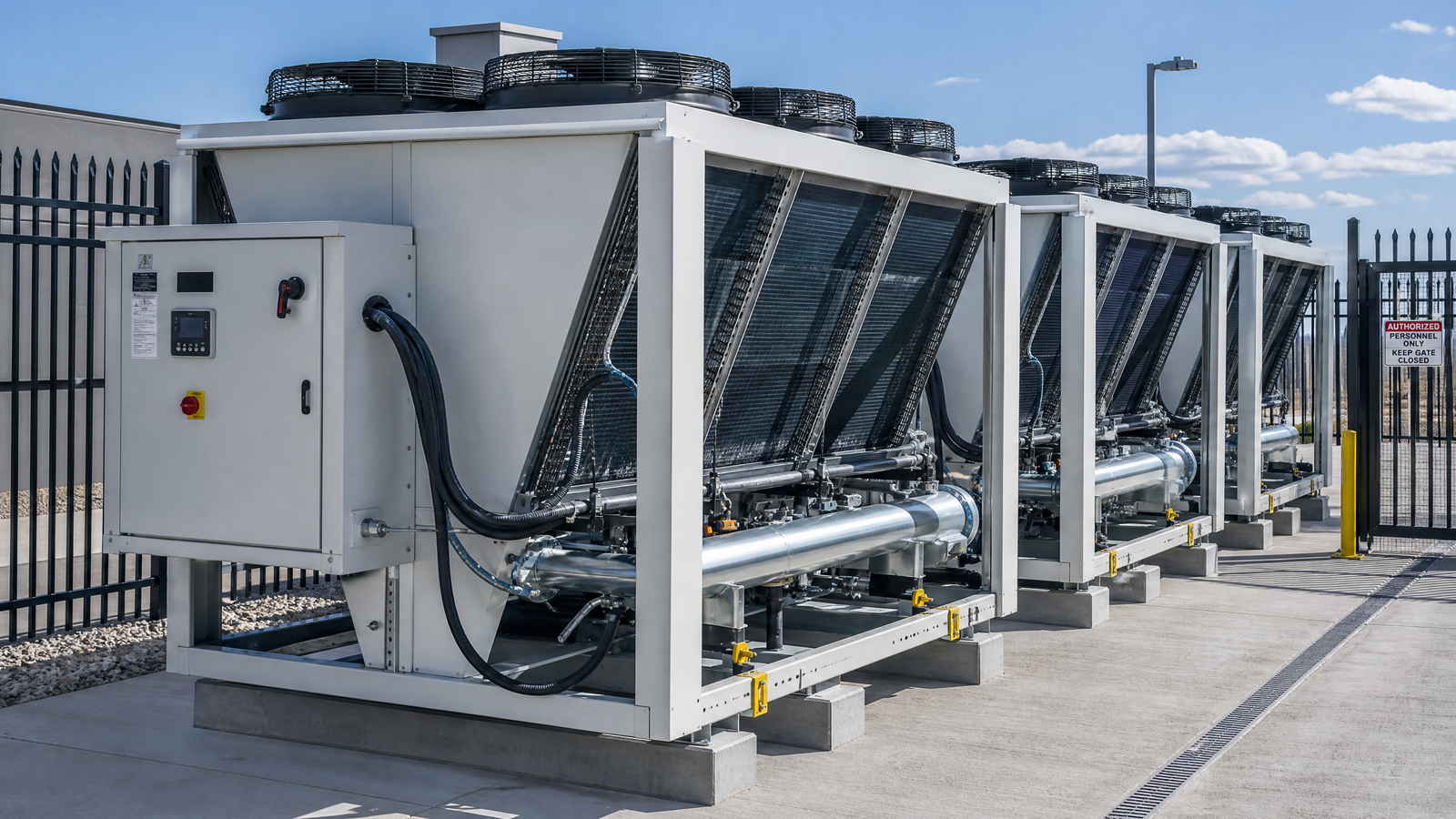
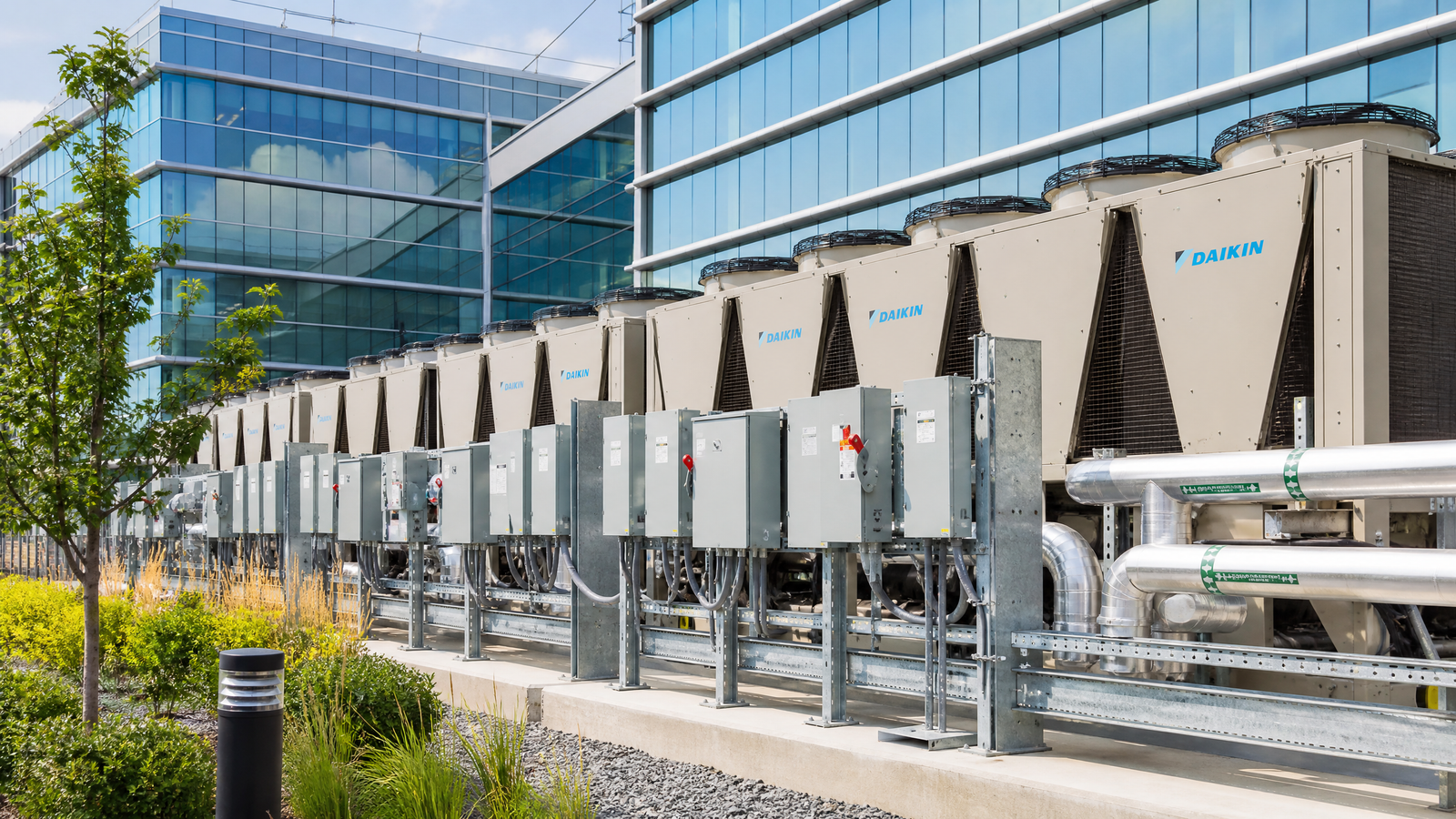
Chiller systems form the backbone of large scale cooling in Dubai, supporting hotels, malls, hospitals, factories, and government facilities. These systems range from air cooled and water cooled chillers to integrated HVAC solutions. Key components include the chiller unit, pumps, condensers, cooling towers, and sophisticated controls that balance comfort with energy efficiency.
Dubai’s climate demands chillers that can handle extreme heat, high humidity, and dense occupancy. This drives a need for reliable performance, scalable capacity, and long term durability. The right setup combines robust equipment, strategic placement, and smart control strategies to sustain consistent indoor climates year round.
Why Timely Chiller Repair Matters in the UAE Climate
The UAE climate tests cooling systems daily. Delays in repair can lead to rapid temperature rise, comfort complaints, and operational downtime. Timely intervention protects occupant health, preserves product quality, and reduces energy waste. Early fixes often prevent more extensive damage and higher replacement costs.
Prompt service also minimizes downtime for critical facilities. When chiller performance drops, specialized technicians assess refrigerant levels, electrical integrity, and control logic to restore full cooling capacity quickly. Reliability becomes a competitive advantage for properties that depend on stable climate control.
Common Chiller Configurations in Dubai
Understanding configurations helps property teams plan maintenance and upgrades. For example, a hotel might use a decentralized arrangement with multiple 100 to 250 ton air cooled chillers to localize cooling zones, while a shopping mall may employ a centralized water cooled chiller plant with a dedicated condenser water loop to optimize efficiency across large common areas.
Another scenario involves hospitals where uninterrupted cooling is essential. A typical setup uses redundant compressors and parallel operation to ensure a failed unit does not interrupt patient care. Regular vibration analysis and bearing inspection are critical in these environments.
Key Performance Indicators for Chillers
Track metrics such as condenser approach temperature, part load ratio, and overall coefficient of performance (COP). For instance, a high end hotel may target a COP above 6 during shoulder seasons, while peak summer COPs might dip below 4 if fouling occurs in heat exchangers.
Implement monthly audits of chilled water enters and exits, verify sensor calibration, and compare actual run hours against design forecasts. These steps catch efficiency drops before occupants notice comfort issues.
Practical Steps to Optimize Low-Load Performance
Several steps improve efficiency when demand is low. Schedule proactive maintenance in the shoulder months, clean heat exchanger surfaces, and recalibrate control sequences to avoid unnecessary cycling. Consider upgrading to variable speed drives on pumps to match flow to demand, reducing energy waste.
Example: a commercial building gridlines cooling with two 400 ton water cooled chillers. In spring, they switch to one active chiller with the other on standby, while maintaining the same setpoints. A smart controller modulates condenser fan speeds to shave peak loads and preserve refrigerant efficiency.

Common Mistakes and How to Avoid Them
Overlooking regular refrigerant checks can mask leaks that degrade performance. Schedule quarterly leak tests and refrigerant inventory reviews with certified technicians. Do not assume a drop in temperature equals normal operation; verify pressures and superheat values.
Misjudging water treatment leads to scale buildup and fouling. Implement a monthly water chemistry test and follow approved biocide protocols. Poor water quality reduces heat transfer efficiency and shortens equipment life.
Industry Perspectives and Data Points
Industry reports show that well-maintained chiller plants can reduce energy use by up to 15 percent in hot climates. Local UAE studies indicate that predictive maintenance programs cut unplanned outages by 25 percent on average. Experts emphasize chassis protection and vibration monitoring as early warning signs of compressor wear.
Edge Cases to Consider
Extreme dust storms common in arid regions can clog intakes and filters, reducing airflow. Plans should include higher filtration and more frequent cleaning during dust seasons. Also, some older plants require retrofit kits to meet current refrigerant regulations without sacrificing capacity.
Summary
In Dubai, choosing the right chiller configuration, maintaining tight controls, and following a disciplined maintenance schedule delivers reliable comfort and energy efficiency. Expect proactive planning for hot months, redundancy for critical facilities, and data driven adjustments to preserve performance year round.
Common Chiller Problems in Dubai
Inadequate Cooling and Temperature Fluctuations
In Dubai’s extreme heat, chillers can struggle to hold steady temperatures. Common causes include equipment undersizing for actual loads, dirty coils, and refrigerant imbalances. Regular site assessments help protect comfort and product quality.
Example: a warehouse with perishable goods may see spoilage during peak summer when outdoor temps exceed 45°C. Run monthly load calculations and adjust setpoints seasonally to reflect real demand.
Unusual Noises and Vibration
Grinding, banging, or bubbling sounds often indicate mechanical wear or misalignment. Vibration can come from worn bearings, unbalanced fans, or loose mounts. Early diagnostics prevent secondary damage to compressors and piping.
Practical steps include a quick daily check for unusual sounds near the condenser and a periodic vibration scan during start-up. Replace worn belts and realign pulleys within 1, 2 operating cycles to avoid bearing damage.
Leaks and Low Refrigerant Levels
Refrigerant leaks reduce cooling capacity and raise energy use. Common sources are joints, seals, and corroded lines. Detecting leaks early preserves efficiency and prevents compressor strain.
Oil traces around service ports in humid environments can hint at leaks before pressures drop. Use electronic leak detectors and pressure decay tests during quarterly inspections, and repair pinhole leaks within 48 hours of discovery to minimize performance loss.
Low refrigerant pressures trigger protective shutdowns. Address root causes rather than just refilling to avoid repeat issues.
Electrical and Control System Issues
Power fluctuations, faulty sensors, and control malfunctions disrupt start sequences and precise temperature control. Regular electrical inspections safeguard reliability and reduce downtime.
Facilities with variable lighting and heavy motor loads can experience voltage sags that affect starts. Implement surge protection and monitor voltage with data logging to trigger corrective actions before faults occur.
Control logic problems can misread load or fail to modulate compressors correctly. Regular calibration and software updates keep the system aligned with current operating conditions.
Emergency Chiller Repair Services
24/7 Response Availability
Chiller failures can occur at any hour, so round‑the‑clock support is essential. Our team operates continuously to ensure rapid dispatch, minimal downtime, and continuous comfort for critical facilities. Emiratefix maintains a dedicated emergency line to prioritize urgent calls and mobilize technicians within minutes.
during a summer heatwave, a hotel cooling system tripped at 2 AM and was restored within two hours after a rapid on-site diagnosis and parts delivery. Practical step: keep an emergency contact list with site passwords, access codes, and a preferred gate time to quicken dispatch.
On-Site Diagnostic Process
- Immediate fault assessment using portable diagnostic tools to identify refrigerant, electrical, and control issues.
- System compatibility checks to determine whether the current configuration matches load requirements and ambient conditions.
- Temporary workarounds to restore partial cooling while parts are sourced or scheduled for replacement.
By combining field measurements with OEM guidance, we establish a precise repair plan that minimizes unnecessary component changes and accelerates return to full operation.
document refrigerant charge, compressor amperage, and sensor readings with photos for the technician to review later. Data-driven decisions reduce overhauls by 15, 25% in common retrofit scenarios.
Rapid Restoration of Cooling Capacity
- Priority scheduling for essential facilities including hotels, malls, hospitals, and government sites to ensure uninterrupted service.
- Fast procurement of genuine spare parts from approved channels, maintaining system integrity and warranty compliance.
- Final performance verification after repair, including load tests and control calibration to confirm stable temperature ranges.
Emergency work focuses on restoring reliable cooling while documenting the root cause for preventive future maintenance, reducing the risk of repeated outages.
Chiller Maintenance vs. Repair
Preventive Maintenance Scheduling
Proactive maintenance helps catch wear before it causes a breakdown. A structured schedule minimizes downtime and extends component life. Regular checks cover cooling performance, filter cleanliness, and refrigerant seal integrity.
- Biannual servicing aligns with seasonal load changes in Dubai.
- Preventive tasks include coil cleaning, belt tensioning, and sensor calibration.
- Documentation of all findings supports warranty and future budgeting.
When to Repair vs. Replace Components
Deciding between repair and replacement depends on the component’s condition, cost, and impact on system reliability. Short-term fixes can restore function, but long-term wear may justify replacement.
- Repair when the fault is isolated, parts are readily available, and performance returns to baseline quickly.
- Replace when multiple failures recur, energy efficiency drops significantly, or downtime risks are high.
- Consider refurbished modules for balance between cost and reliability in older installations.
Impact on Energy Efficiency and Operating Costs
Maintenance choices directly affect energy use and operating expenses. Well-timed interventions keep compressors and fans running at optimal efficiency, reducing waste and demand charges.
| Scenario | Energy Impact | Typical Cost Implications | Operational Benefit |
|---|---|---|---|
| Preventive maintenance | Lower energy consumption due to clean coils and calibrated controls | Predictable, lower ongoing costs | Consistent cooling, fewer surprises |
| Targeted repair | Moderate energy impact if fixed component performs within spec | Moderate repair expense | Restored performance with minimal downtime |
| Component replacement | Potential energy savings with modern, efficient parts | Higher upfront cost | Long-term savings and stability |
Concrete Examples and Practical Steps
Schedule a quarterly energy audit for large rooftops with rooftop units. For example, in Dubai’s climate, set reminders every three months to inspect refrigerant levels and clean condenser coils before peak cooling months. Create a checklist that names each component, its last service date, and the technician responsible.
Practical steps include tracking sensor drift with a calibrated multimeter, performing belt tension tests using a tension gauge, and recording coil pressures during startup. These actions prevent small inefficiencies from compounding into high bills.
Common Pitfalls to Avoid
Avoid assuming newer parts are always better; a mismatched component can reduce system harmony. Do not skip documentation; vague records hinder warranty claims and future budgeting. Finally, resist delaying repairs when energy bills spike suddenly, as inconsistencies typically indicate underlying issues.
Brand-Certified Chiller Repair Capabilities
Carrier, Trane, York and Major Brands Serviced
Our team supports a broad spectrum of leading manufacturers to align with Dubai’s diverse installations. This coverage includes popular names like Carrier, Trane, York, and other major brands used in residential, commercial, and industrial settings.
Concrete example: A high-rise condo in Downtown Dubai installed a mixed-brand HVAC system with Carrier heat pumps and York air handlers. Our technicians diagnosed motor wear on the York unit and swapped in OEM components without disrupting tenants. This minimized downtime and preserved warranty conditions where applicable.
OEM-Certified Technicians
Technicians hold OEM certifications that verify their training on brand-specific controls, compressors, and refrigerant handling. This credentialing ensures repairs meet factory standards and preserve equipment warranties where applicable.
Practical steps: When a unit underperforms, confirm the technician’s OEM certification for that brand. Request documentation or a badge check to ensure the visit aligns with factory procedures. For complex controls, ask for a step-by-step explanation of the reboot or calibration process.
Factory Spare Parts Availability
Access to genuine factory parts minimizes substitution risks and helps sustain performance. We source components from approved channels to guarantee compatibility and long-term reliability across Dubai’s climate.
Actionable tip: Maintain a parts buffer for your most used models and set up a local parts inventory with your service team. For a 10-year-old Carrier system, verify part cross-compatibility for compressors and capacitors before a seasonal peak to prevent delays.
Chiller Replacement and Refurbishment Options
Chiller Refurbishment vs. New Installation
Refurbishment can extend the life of existing chillers by renewing critical components without a full replacement. It often focuses on compressors, heat exchangers, and control systems to restore performance while preserving the current footprint. This path minimizes downtime and capital outlay compared to a brand-new unit.
New installations deliver modern efficiency, higher COPs, and updated fault-tolerant controls that suit evolving UAE cooling demands. A fresh system can align with current building load profiles and future expansion plans, providing longer-term reliability and easier maintenance planning.
- Refurbishment benefits: lower upfront cost, reduced lead times, preserved equipment footprint.
- New installation benefits: superior energy performance, extended warranty coverage, scalable design for growth.
Energy-Efficient Replacements for UAE Conditions
Selecting energy-efficient replacements considers hot climate performance, humidity handling, and peak load management. Modern chillers are designed to maintain cooling capacity even during extreme summer conditions common across Dubai and the UAE.
- Choose units with high SEER or IPLV ratings suited to local cooling demands.
- Prioritize variable speed drives and smart controls that modulate output to match varying loads, reducing energy waste.
- Assess heat rejection efficiency and pumping configurations to optimize condenser water or air-cooled operation in hot environments.
| Option | Key Benefit | Typical Considerations |
|---|---|---|
| Chiller refurbishment | Cost-effective extension of existing asset life | Assess remaining life, component compatibility, and warranty impact |
| New efficient installation | Maximum energy savings and future-proofing | Higher upfront cost, longer project timelines |
Preventive Maintenance Checklist for Dubai Facilities
Biannual Servicing Protocols
Biannual servicing supports peak performance in Dubai’s extreme climate. This protocol emphasizes coil cleanliness, refrigerant checks, and control calibrations to prevent efficiency loss. Regular servicing contributes to longer equipment life and steadier cooling across seasons. For example, a 24/7 data center in July benefits from a midyear coil clean that can restore up to 15 percent of original heat transfer efficiency.
- Clean condenser and evaporator coils to sustain heat transfer efficiency. Schedule proactive rinsing with nonacid cleaners and perform visual inspections to spot corrosion early.
- Inspect compressors and fans for abnormal wear and replace worn components as needed. Monitor motor temperatures with infrared checks during servicing windows.
- Verify refrigerant charge and record pressure readings for trend analysis. Compare against manufacturer specifications and log ambient conditions during each check.
Pre- and Peak-Season Inspections
Seasonal inspections identify issues before they stress the system. In Dubai, pre-season checks prepare for rising load, while peak-season checks guard against outages. Detailed testing ensures reliable operation during the hottest months. A hotel property, for instance, reduces outage risk by 40 percent when it follows a strict pre-season checklist.
- Test thermostat and sensor accuracy to ensure proper space temperature control. Use calibrated meters and cross-check with a handheld thermometer at multiple rooms.
- Evaluate airflow, duct integrity, and filter condition to maintain indoor air quality. Conduct a duct leakage test and replace filters with a 30 percent higher MERV rating when IAQ drops.
- Inspect electrical connections and safety switches to prevent faults during high demand. Tighten lugs to manufacturer torque specs and apply anti-corrosion spray in coastal sites.
Common Fault Prevention Measures
Targeted prevention reduces downtime and extends component life. Focus areas include lubrication, vibration monitoring, and control logic validation to minimize recurring faults. Real-world preventative care avoids sudden outages during peak occupancy.
- Lubricate bearings and moving parts to reduce friction and wear. Use the recommended grade and interval, typically every six months for older units.
- Monitor vibration signatures to detect loose mounts or imbalanced rotating parts. Deploy portable sensors during a full system sweep and set alert thresholds.
- Validate sequencing and soft-start parameters in control systems for smooth startups. Configure logic to ramp compressors over 5, 10 seconds to minimize inrush currents.
Note on caveats Complex systems may require freighted coils or refrigerants that demand licensed technicians. Edge cases include units operating in salt air environments where corrosion accelerates wear, or systems with nonstandard refrigerants requiring manufacturer-approved adapters.
Summary: Regular biannual servicing, seasonal inspections, and proactive fault prevention extend equipment life, improve reliability, and reduce energy peaks during Dubai’s extreme seasons.
Cost Considerations and Total Cost of Ownership
Understanding total costs helps Dubai facilities plan maintenance without surprising budget gaps. This section breaks down key expense drivers and long term value for Chiller AC Repair in Dubai projects.
Labor, Parts, and Downtime Costs
Labor, parts, and downtime collectively shape immediate outlays and project payback. In Dubai, OEM-certified technicians may command premium rates, but their expertise often reduces repeat visits and misdiagnoses. Spare parts availability influences repair speed and upfront quotes.
- Labor: skilled technicians with brand certifications can shorten on-site time and improve fault resolution.
- Parts: access to genuine components mitigates secondary failures and extends service life.
- Downtime: cooling system outages impact production, comfort, and business continuity, influencing fault tolerance planning.
Energy Efficiency Gains and ROI
Upgrading to efficient components or refining controls typically lowers running costs over time. In hot climates like Dubai, even small efficiency improvements yield meaningful annual savings through reduced energy consumption and better load management.
- Efficiency returns: variable speed drives and optimized refrigerant management can improve COP during peak heat.
- Operational reliability: steadier cooling reduces temperature swings that strain equipment and occupants.
- ROI timing: savings accumulate as energy prices rise and seasonal demand fluctuates, making pre-season upgrades attractive.
Contractual Maintenance Options
Structured maintenance contracts provide predictable budgeting and proactive fault detection. Dubai facilities often choose contracts tailored to load, usage patterns, and risk tolerance.
- Annual maintenance contracts: predictable annual fees with included inspections and priority response.
- Quarterly service plans: tighter oversight on performance and wear, suitable for high-demand sites.
- All-inclusive service: covers parts, labor, and rapid emergency response to minimize downtime.
FAQ
How often should a chiller be serviced in Dubai?
Regular servicing in Dubai should align with system usage and load, typically involving semiannual or quarterly inspections. In extreme heat, more frequent checks help maintain reliability and efficiency. Servicing plans often include coil cleaning, refrigerant checks, and control calibration to prevent performance dips.
- Biannual servicing is common for mid to high usage facilities.
- Quarterly checks may be advised for critical environments like hospitals or data centers.
- Annual reviews can accompany component replacements or major refurbishments.
What are the signs a chiller needs repair?
Early detection saves downtime and energy waste. Watch for cooling shortfalls, unusual noises, and irregular operation patterns that indicate underlying issues. Quick assessment helps determine whether repair or replacement is warranted.
- Inadequate cooling or fluctuating room temperatures.
- Unusual grinding, banging, or rattling sounds.
- Visible leaks or a drop in refrigerant level.
- Electrical tripping, erratic compressor cycling, or faulty sensors.
How quickly can a chiller be restored after a breakdown?
Response time depends on access to spare parts and on-site diagnosis. Emergency teams aim for rapid on-site assessment and expedited parts procurement to minimize downtime. Local service hubs and OEM-certified technicians often offer priority scheduling during peak heat months.
- Initial diagnostic on-site within hours of notification in many cases.
- Parts delivery varies by brand and model, but expedited avenues exist for critical facilities.
- Full restoration timelines depend on fault complexity and system design.
Should I repair or replace a failing chiller component?
Decision hinges on the component’s age, failure history, and impact on overall efficiency. A repair can be cost-effective for younger components, while replacements or refurbishments may offer better reliability and energy savings for older units.
- Assess expected remaining life and performance impact.
- Weigh immediate repair costs against long-term energy savings.
- Consider refurbishment options to extend the system life with modernized components.
What brands are typically serviced by UAE chiller technicians?
Techniques and certifications cover major OEMs to ensure compatibility and performance. Local technicians commonly service Carrier, Trane, York, and Daikin, among others, with OEM-certified training and access to genuine spares.
- Carrier, Trane, York, Daikin are frequently supported.
- OEM-certified technicians ensure proper calibration and warranty compatibility.
- Factory spare parts availability speeds up repairs and maintenance.
Conclusion
Key Takeaways for Reliable Chiller Operation
Reliable chiller operation stems from proactive maintenance, timely repairs, and access to OEM certified expertise. Regular checks prevent outages in Dubai’s extreme heat, while well managed spares minimize downtime.
Balancing maintenance with energy efficiency lowers operating costs over time. Upgrading controls or refrigerant management can boost performance without a full plant overhaul.
Schedule quarterly inspections that include compressor vibration checks, refrigerant charge verification, and condenser cleaning. A hotel with a 2,000-ton system reduced unplanned outages after a focused maintenance blitz and a stocked parts kit. Pair maintenance with live monitoring to spot trends before failures occur.
Implement a parts tiering plan: keep common wear items on site while sourcing critical components through OEM channels to speed replacements during peak periods.
Track metrics like MTBF and energy intensity per ton hour. Use these insights to justify upgrades such as variable speed drives or optimized condenser water setpoints to reduce energy use without compromising reliability.
Choosing the Right Repair Partner in Dubai
Look for a local partner with a proven track record in commercial and industrial HVAC, including chiller refurbishment and replacement options for hotels, malls, hospitals, and factories. An ideal provider offers OEM certified technicians, a broad brand portfolio, and rapid emergency response.
Assess spare parts access, on site diagnostics, and transparent pricing for labor and parts. A strong maintenance contract turns unpredictable repairs into predictable budgeting and steady uptime.
Request case studies from similar sectors, such as hospitals upgrading aging chillers to energy efficient options with measurable annual savings. Require a documented on site diagnostic workflow that includes refrigerant checks, electrical safety tests, and a commissioning plan post repair.
Verify guaranteed response times, like on site attendances within 2 hours for emergencies and 24/7 remote diagnostics. Ensure the vendor provides a parts inventory map to minimize delays during peak season.
Negotiate a maintenance agreement that covers preventive checks, lump-sum pricing for common repairs, and incentives tied to uptime and energy efficiency. A clear service level agreement helps stabilize repair costs and uptime over time.